Understanding Containerized Wastewater Treatment Systems
Containerized wastewater treatment systems represent a groundbreaking solution for managing diverse water treatment challenges. They are essential in today's world, addressing the critical necessity for effective wastewater management. These systems are designed to convert a variety of wastewater streams—from domestic sewage to complex industrial effluents—into clean, reusable water. Their compact, modular design not only allows ease of deployment but also makes them adaptable to a variety of operational requirements. When exploring options, containerized wastewater treatment systems provide comprehensive insights on managing wastewater efficiently.
What are Containerized Wastewater Treatment Systems?
Containerized wastewater treatment systems are pre-engineered solutions housed within standard shipping containers, typically measuring 20 or 40 feet. Their design allows for rapid deployment in various environments, from urban to remote locations. These containers are equipped with a complete treatment process, thus eliminating the need for traditional construction timelines. Their portability makes them particularly useful for temporary installations, emergency response scenarios, and locations lacking existing infrastructure.
Components and Technologies Involved
The basic architecture of containerized systems includes several critical components:
- Physical Treatment Units: These may include screening devices, sedimentation tanks, and filtration systems to remove solids from wastewater.
- Biodigesters: For organic waste, anaerobic or aerobic digesters are employed to break down contents, producing biogas and reducing sludge.
- Advanced Oxidation Processes (AOP): These technologies employ chemical reactions to break down pollutants that remain after physical treatment.
- Disinfection Units: Methods such as UV treatment or chlorination ensure that the treated water meets environmental discharge standards before release.
Benefits of Modular Wastewater Solutions
Containerized systems offer multiple benefits that traditional stationary plants can seldom match:
- Cost-Effectiveness: Reduced infrastructure and installation costs lead to substantial savings.
- Scalability: Easily expandable or contractible based on demand, these systems allow operators to adjust capacity without major capital investment.
- Ease of Maintenance: Most systems are designed for user-friendliness, with components easily accessible for regular checks and servicing.
Key Advantages of Containerized Systems
Rapid Deployment and Installation
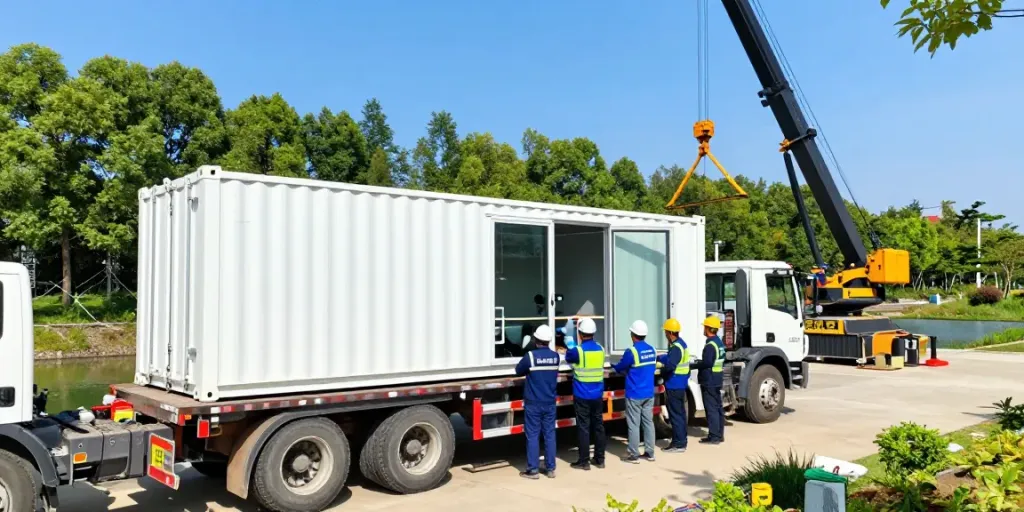
One of the most significant advantages of containerized wastewater treatment systems is their rapid deployment capability. The entire unit is preassembled before shipping, meaning that once it arrives at the site, installation is straightforward. Generally requiring just a flatbed truck, a crane, and one or two days on-site, these systems enable quick responses to urgent needs, such as natural disasters or population surges.
Operational Flexibility and Adaptability
Containerized systems can adapt to varying water qualities and treatment needs, making them ideal for various applications—including construction sites, disaster relief, and rural development projects. Their modular design allows for the integration of additional containers to increase capacity or add specific treatment processes as required.
Compliance with Environmental Standards
With increasing regulations surrounding wastewater treatment, containerized systems are engineered to ensure compliance with local and international environmental standards. They incorporate advanced technology to remove contaminants and enable effective treatment, thus safeguarding natural water bodies from pollution.
Applications Across Industries
Domestic Sewage Treatment
Containerized wastewater treatment systems are particularly useful in urban settings where infrastructure may be insufficient or in small communities. They offer a practical solution to treat sewage efficiently without extensive building projects, thereby improving public health and hygiene.
Industrial Effluent Management
Industries generate a variety of wastewater streams with different contamination levels. Containerized systems can be customized to target specific contaminants found in industrial effluent, ensuring compliance with regulations while maximizing water reuse and minimizing discharge into the environment.
Emergency Water Treatment Solutions
In disaster-stricken areas, access to clean water can become a critical concern. Containerized systems can be deployed quickly to provide necessary treatment, ensuring that affected populations have access to safe water for drinking, sanitation, and hygiene.
Best Practices for Implementing Containerized Solutions
Site Selection and Preparation
Choosing an appropriate site for installation is crucial for the effectiveness of containerized wastewater treatment systems. Factors to consider include soil permeability, proximity to water bodies, and the potential for future expansion. A well-prepared site will facilitate smooth installation and operation.
Monitoring and Maintenance Strategies
Regular monitoring is essential to ensure optimal performance. Implementing a maintenance schedule that involves routine checks of mechanical components, chemical dosing systems, and effluent quality can help prevent system failures and enhance treatment effectiveness.
Performance Metrics and Evaluation
Establishing clear performance metrics—like influent and effluent quality, operational uptime, and maintenance costs—will help in evaluating the effectiveness of containerized systems. These metrics can guide continuous improvement and adjustments to enhance treatment processes.
Future Trends and Innovations in Wastewater Treatment
Emerging Technologies for 2026
As the world moves toward more sustainable practices, containerized wastewater treatment systems are being integrated with cutting-edge technologies such as IoT sensors for real-time monitoring, AI for process optimization, and advanced biomaterials for better sludge management. These innovations promise to elevate the efficiency and effectiveness of wastewater treatment operations.
Regulatory Changes Impacting Containerized Solutions
Governments worldwide are developing stricter regulations regarding wastewater treatment and discharge. Containerized systems must evolve accordingly to adhere to these changes, which may involve upgrading technologies or implementing new treatment methods.
Sustainable Practices in Wastewater Management
The focus on sustainable wastewater management is expected to grow. Containerized solutions that incorporate renewable energy sources—such as solar panels or biogas production—can enhance sustainability and reduce operational costs significantly.
What are the main types of wastewater treatment systems?
Wastewater treatment systems can be broadly categorized into three main types: primary, secondary, and tertiary treatment systems. Primary treatment involves physical processes to remove large solids, secondary treatment utilizes biological processes, and tertiary treatment further purifies water by tackling remaining contaminants.
How do containerized systems differ from traditional plants?
Unlike traditional wastewater treatment plants that require significant construction and may have limited mobility, containerized systems offer a modular, portable solution that can be deployed swiftly to various sites. They also require less infrastructure, making them a more viable option for remote locations and emergency responses.
What is the average cost of a containerized wastewater system?
The cost of containerized wastewater treatment systems can vary significantly based on capacity, technology, and customization needs. On average, pricing may range from $30,000 to $200,000. However, operational savings and lower infrastructure investment often justify the initial expenditure.
How can containerized systems improve water quality?
Containerized systems are engineered to effectively remove contaminants using advanced treatment processes. By leveraging state-of-the-art technologies, these modular systems ensure that discharged water meets or exceeds regulatory quality standards, thereby protecting both public health and the environment.
What are the environmental benefits of using containerized treatment?
These systems significantly reduce the environmental footprint associated with wastewater treatment. By facilitating water reuse and minimizing the discharge of untreated wastewater, they help preserve local ecosystems and promote environmental sustainability.