Understanding Machined Stainless Steel Parts
Machined stainless steel parts are essential components across various sectors, known for their durability, corrosion resistance, and versatility. As industries increasingly demand precision-engineered components that meet stringent performance standards, the relevance of machined stainless steel parts continues to grow. When exploring options, machined stainless steel parts emerge as a preferred choice due to their ability to withstand harsh environments while maintaining structural integrity. In this guide, we will explore the characteristics, manufacturing processes, applications, and quality assurance standards associated with these crucial components.
What Are Machined Stainless Steel Parts?
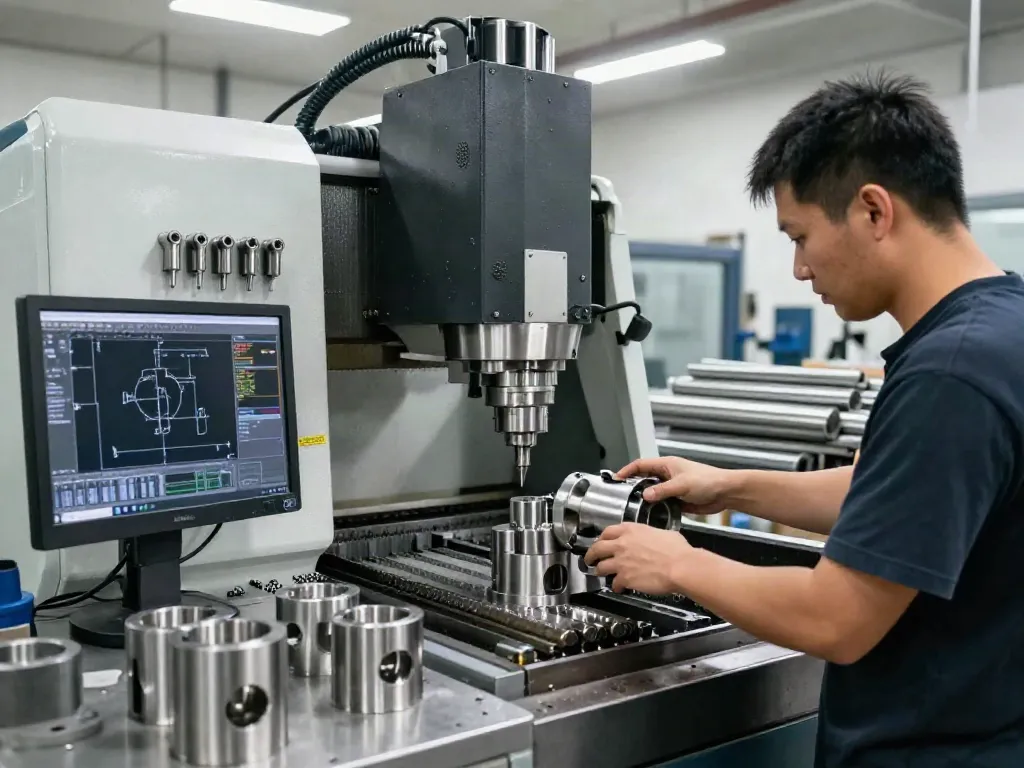
Machined stainless steel parts are components that have been fabricated using CNC (Computer Numerical Control) machining technology from stainless steel material. This process involves various techniques that create precise shapes and dimensions, ensuring that each part meets specific requirements. The machining process can include milling, turning, drilling, and grinding, allowing for the production of complex geometries and tight tolerances essential in many applications.
Key Characteristics of Stainless Steel
Stainless steel is renowned for its exceptional properties, making it a preferred choice for machining and manufacturing. Key characteristics include:
- Corrosion Resistance: Stainless steel is highly resistant to rust and corrosion, which is crucial in applications exposed to moisture and chemicals.
- Tensile Strength: The material exhibits high strength, making it suitable for high-stress applications.
- Durability: With a longer lifespan than many other materials, stainless steel parts provide long-term value.
- Biocompatibility: Certain grades, like 316L, are biocompatible, making them ideal for medical applications.
- Aesthetic Appeal: Stainless steel can achieve various surface finishes, contributing both functionally and aesthetically to the final product.
Common Applications Across Industries
Machined stainless steel parts find varied applications in several industries:
- Medical Industry: Used in surgical instruments and implantable devices, where corrosion resistance and sterility are vital.
- Food Processing: Components must ensure hygienic operations and prevent contamination.
- Chemical Engineering: Parts that can withstand aggressive chemical reactions and elevated temperatures are crucial in this sector.
- Aerospace: Utilized in components subjected to high stress and harsh environmental conditions.
The CNC Machining Process
The CNC machining process involves using computer-controlled equipment to remove material from a workpiece to achieve the desired shape and finish. This process is essential for producing high-precision machined stainless steel parts that meet strict tolerances and specifications.
Overview of CNC Machining Technologies
There are various CNC machining technologies utilized in producing machined stainless steel parts, including:
- CNC Milling: A rotary cutter removes material from the workpiece, allowing for complex shapes and designs.
- CNC Turning: The workpiece rotates while a cutting tool removes material, ideal for cylindrical parts.
- EDM (Electrical Discharge Machining): This method uses electrical discharges to remove material, suitable for intricate shapes.
Steps in CNC Machining of Stainless Steel Parts
The CNC machining process consists of several critical steps:
- Design: Utilizing CAD software, engineers create a digital representation of the part.
- Programming: The design is converted into machine code that the CNC machinery can interpret.
- Setup: The workpiece is secured in the machine, and tools are installed.
- Machining: The CNC machine executes the programmed instructions to fabricate the part.
- Finishing: Additional processes like polishing or coating may be applied to achieve the desired finish.
Importance of Precision in Machining
Precision in CNC machining is critical as it directly impacts the part's performance and usability. Tight tolerances ensure that parts fit together correctly and function as intended, making precision machining indispensable in industries requiring high standards of accuracy.
Quality Control in Machined Parts Production
Ensuring the quality of machined stainless steel parts is paramount in maintaining industry standards and customer satisfaction. Rigorous quality control processes are essential for verifying that every component meets the required specifications.
Standards and Certifications for Stainless Steel Components
Various standards govern the quality of stainless steel components, including:
- ISO 9001: A standard for quality management systems that ensures consistent service and product quality.
- ASTM Standards: These specify material properties and test methods relevant to stainless steel.
- FDA Regulations: Critical for components used in the food and medical industries, ensuring they are safe and effective.
Key Quality Control Techniques in CNC Machining
Quality control techniques employed in CNC machining include:
- Dimensional Inspection: Measuring parts against predefined specifications using tools like calipers and micrometers.
- Surface Finish Evaluation: Assessing the surface quality to ensure durability and aesthetics.
- Functional Testing: Conducting tests to ensure the component performs as required under operational conditions.
Case Study: Quality Assurance in Action
A notable example of effective quality control in the manufacturing of machined stainless steel parts can be seen in a project for a medical device company. By implementing a multi-tiered inspection process, the production team was able to identify defects early, ultimately ensuring that the surgical instruments met stringent FDA regulations and maintained a zero-defect rate throughout the batch production.
Challenges in Machining Stainless Steel
Despite the benefits, machining stainless steel parts comes with its set of challenges. Understanding these issues can help manufacturers optimize their processes and achieve better outcomes.
Common Issues Faced During Machining
Some common problems encountered include:
- Tool Wear: Stainless steel's hardness can lead to increased tool wear, requiring frequent replacements or sharpening.
- Heat Generation: Machining stainless steel can generate significant heat, potentially leading to thermal distortion of parts.
- Chip Control: Managing metal shavings, particularly in complex operations, is crucial to avoid machine damage and ensure safety.
Best Practices for Overcoming Machining Challenges
To combat the challenges in machining stainless steel, manufacturers can employ several best practices:
- Optimal Cutting Parameters: Adjusting speed, feed rates, and tool paths can significantly reduce tool wear and improve part quality.
- Coolant Utilization: Implementing effective cooling systems helps manage heat generation and prolong tool life.
- Regular Maintenance: Keeping machines well-maintained reduces the risk of failures and ensures precision.
Future Trends: Innovations in CNC Machining
Looking ahead, several trends are shaping the future of CNC machining for stainless steel parts:
- Automation: Increased use of robotics in CNC machining can enhance productivity and precision.
- Advanced Materials: Innovations in stainless steel alloys might lead to even better performance characteristics.
- Smart Machining: Integration of IoT devices for real-time monitoring can help optimize machining operations and reduce downtime.
Choosing the Right Partner for CNC Machining
Selecting a reliable CNC machining service provider is critical for achieving the desired quality in machined stainless steel parts. It is essential to evaluate potential partners carefully to ensure they align with your project's requirements and standards.
What to Look for in a CNC Machining Service Provider
When choosing a CNC machining partner, consider the following factors:
- Experience: Look for a provider with a proven track record in machining stainless steel components.
- Capabilities: Ensure they have the necessary machinery and technology to meet your specific machining needs.
- Quality Assurance Processes: Verify that they follow rigorous quality control measures to maintain high standards.
Evaluating Materials and Machining Capabilities
Always inquire about the types of materials the provider uses and their expertise in machining different stainless steel grades. Understanding their capabilities in handling complex geometries and tight tolerances is vital to ensure they can meet your project requirements.
Client Testimonials and Success Stories
Seek out testimonials and case studies from previous clients. This feedback can provide valuable insights into the provider's reliability and quality of service, guiding you towards making an informed decision.
What are the benefits of using machined stainless steel parts?
benefits of using machined stainless steel parts include enhanced durability, improved corrosion resistance, and the ability to achieve precise tolerances that cater to various industrial applications.
Can all types of stainless steel be machined effectively?
Not all stainless steel grades offer the same machinability. While 304 and 316 are popular choices for their balance of strength and corrosion resistance, other grades may be more challenging to machine due to their composition.
How does CNC machining compare to traditional machining methods?
CNC machining offers greater precision, efficiency, and flexibility compared to traditional machining methods, allowing for easier production of complex shapes and high-volume orders.
What industries rely on machined stainless steel components?
Industries such as medical, food processing, aerospace, and chemical engineering heavily rely on machined stainless steel components for their durability and corrosion resistance.
What future trends should we expect in stainless steel machining?
Future trends may include advances in automation, the use of smart technology for real-time monitoring, and innovations in stainless steel materials that enhance machinability and performance.