Understanding Different Types of Forklifts
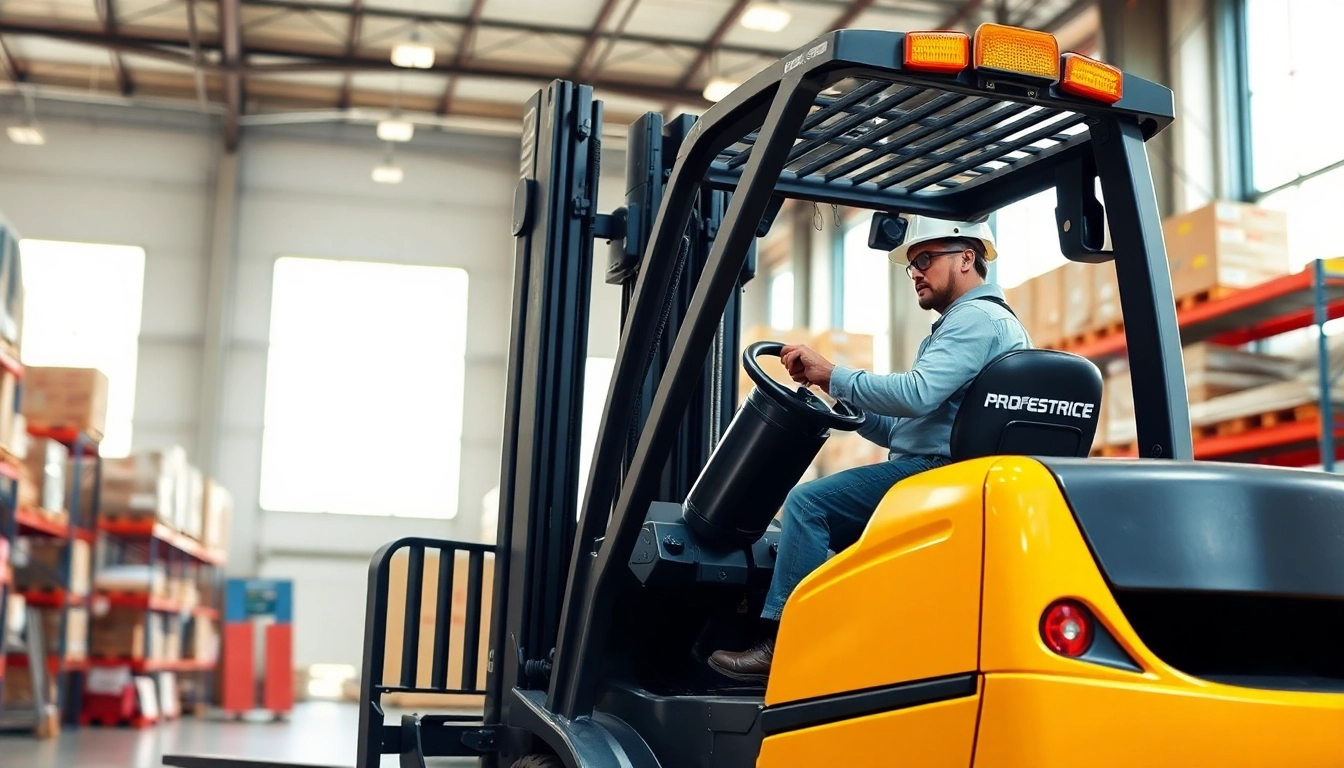
Forklifts play an essential role in material handling across various industries. Understanding the different types of forklifts is critical for optimizing warehouse operations and ensuring safety standards. Forklift technology has advanced significantly, allowing operators to choose equipment that best suits their specific needs. Below, we explore the primary categories of forklifts, detailing their benefits and applications.
1.1 Electric Forklifts: Benefits and Features
Electric forklifts are powered by battery, which makes them eco-friendly and quiet. They are ideal for indoor operations due to their reduced emissions, making them suitable for warehouses that house sensitive materials, such as food and pharmaceuticals. Some notable benefits include:
- Environmental Impact: Since they emit no harmful exhaust, electric forklifts help to maintain air quality indoors.
- Noise Reduction: Their operation is significantly quieter than internal combustion engines, making them perfect for use in peace-sensitive environments.
- Lower Operating Costs: Electric forklifts generally require less maintenance and have lower energy costs compared to gasoline-powered models.
The features of electric forklifts include regenerative braking, which helps recharge the battery during operation, enhancing efficiency and battery life.
1.2 Internal Combustion Forklifts: Performance Overview
Internal combustion (IC) forklifts are powered by gasoline, diesel, or propane. These models are typically more rugged and suitable for outdoor use. Key characteristics include:
- Higher Lifting Capacity: IC forklifts generally have a greater lifting capacity and can handle heavier loads compared to electric models.
- Versatility: They perform well in various terrains, making them suitable for construction sites or outdoor warehouses.
- Extended Runtime: Having a quick refueling process, they can work long hours without needing lengthy battery charges.
However, they require proper ventilation due to exhaust emissions, particularly in enclosed spaces, which is one of the main considerations when choosing between electric and internal combustion forklifts.
1.3 Specialized Forklifts: Uses and Applications
Specialized forklifts are designed for particular tasks and environments, such as warehouses with narrow aisles or farms requiring rough-terrain capabilities. Examples of specialized forklifts include:
- Narrow-Aisle Forklifts: Perfect for maximizing storage in limited spaces by allowing more inventory to fit in tight aisles.
- Rough Terrain Forklifts: Built with larger tires and higher ground clearance, designed for outdoor construction or uneven surfaces.
- Telehandlers: Equipped with an extendable arm, making them versatile for lifting heavy loads in difficult-to-reach areas.
These specialized forklifts require unique training and skills to operate effectively and safely.
How Forklifts Enhance Warehouse Efficiency
Incorporating forklifts into warehouse operations is vital for achieving efficiency and productivity. Properly utilized forklifts can optimize material handling processes and significantly enhance workflow.
2.1 Streamlining Material Handling Processes
Forklifts help to streamline the material handling process by allowing quicker movement of goods around the warehouse. This includes:
- Efficient Storage: Forklifts enable workers to easily stack and retrieve materials in higher locations, maximizing vertical storage space.
- Fast Transport: Goods can be quickly moved across extensive warehouse spaces, reducing transit times and allowing faster order fulfillment.
- Reduced Labor Intensity: Automating the lifting and transportation of heavy materials decreases manual labor requirements, reducing the risk of injury.
With efficient material movement, warehouses can operate within tighter schedules, leading to improved overall productivity.
2.2 Key Innovations in Forklift Technology
Technology in forklift design has rapidly evolved. Some innovations impacting efficiency include:
- Automated Forklifts: These forklifts utilize AI and robotics to operate autonomously, significantly reducing human error and increasing safety.
- Telematics: This technology allows real-time tracking of forklifts, optimizing their usage and maintenance schedules based on operational data.
- Enhanced Ergonomics: New forklift designs focus on operator comfort, reducing fatigue and improving productivity.
These advancements ultimately contribute to safer and more efficient warehouse environments.
2.3 Implementing Forklifts in Various Industries
Forklifts find applications in various industries, from manufacturing to retail. Here are some examples:
- Manufacturing: Forklifts are critical for moving raw materials and finished goods along assembly lines.
- Retail and E-commerce: They assist in stocking items and managing logistics in distribution centers for efficient delivery.
- Construction: Rough-terrain forklifts help move equipment and materials on-site, increasing project efficiency.
Understanding the operational context of forklifts is essential for selecting the right type for a specific industry.
Safety Practices When Operating Forklifts
The importance of safety when operating forklifts cannot be overstated. OSHA and other agencies provide guidelines to protect operators and those who work around forklifts.
3.1 Essential Forklift Safety Training
Effective training is paramount in ensuring safe forklift operation. Recommended practices include:
- Certification: All forklift operators should be certified according to national regulations.
- Hands-On Training: Real-world operation under supervision is crucial for skill development.
- Regular Refreshers: Continuous training sessions help keep operators updated on safety protocols and best practices.
Ensuring safety training is thorough helps minimize workplace accidents involving forklifts, fostering a culture of safety.
3.2 Common Safety Hazards and How to Avoid Them
Common hazards include collisions, tip-overs, and falls. Here’s how to mitigate these risks:
- Conduct Regular Inspections: Ensure that forklifts are in safe and operable condition before use.
- Clear Work Areas: Maintain organized workspaces to avoid obstacles that could lead to accidents.
- Use Safety Equipment: Equip all forklifts with necessary safety measures, including horns, lights, and seatbelts.
By addressing these hazards proactively, warehouses can further enhance safety and operational efficiency.
3.3 Implementing a Safety Culture in Forklift Operations
Developing a culture of safety within your organization is vital. This can be fostered through:
- Management Commitment: Leadership should prioritize and support safety initiatives actively.
- Open Communication: Encourage feedback from operators regarding safety practices and concerns.
- Recognition Programs: Acknowledge and reward safe practices to motivate adherence to safety protocols.
When safety becomes a core value, it leads to improved compliance, reduced accidents, and a more productive workforce.
Cost Considerations for Forklift Operations
Understanding the financial implications of forklift operations is vital for businesses looking to optimize their material handling processes.
4.1 Evaluating Forklift Rental vs. Purchase
Businesses must decide whether to rent or purchase forklifts based on their unique operational needs:
- Short-Term Needs: Renting is ideal for short-term projects or seasonal demands, providing flexibility.
- Long-Term Investment: Purchasing may be more cost-effective for companies needing forklifts regularly for daily operations.
- Budget Assessments: Careful analysis of operational budgets and forecasting can guide the decision-making process.
Each option has its pros and cons, so thorough evaluations are essential.
4.2 Maintenance Costs and Budgeting Tips
Ongoing maintenance is critical for extending the lifespan of forklifts. Consider these budgeting tips:
- Scheduled Maintenance: Developing a routine maintenance schedule can prevent costly repairs by identifying issues early.
- Training Operators: Teach operators to perform basic checks to identify minor issues before they escalate.
- Documentation: Maintain detailed records of maintenance and repairs to monitor patterns and costs.
Effective budgeting in maintenance can significantly reduce long-term operational costs.
4.3 Maximizing Investment in Forklift Equipment
To ensure investments in forklifts yield maximum returns, businesses should focus on:
- Utilization Rates: Monitor the percentage of time each forklift is active vs. idle and adjust scheduling to improve utilization.
- Operator Efficiency: Provide training to improve handling techniques, boosting overall productivity.
- Emphasizing Safety: Fostering a safe operation culture decreases accidents and associated costs, protecting investment.
When forklifts are managed effectively, they contribute to a company's bottom line while ensuring operations run smoothly.
FAQs About Forklifts
5.1 What are the primary types of forklifts?
There are primarily four forklift types: Electric Motor Rider Forklifts, Internal Combustion Cushion Tire Forklifts, Electric Motor Narrow Aisle Forklifts, and Rough Terrain Forklifts, each designed for specific applications.
5.2 How do I choose the right forklift for my needs?
Consider factors such as load capacity, operating environment, fuel type, and specific tasks when selecting a forklift that suits your warehouse operations.
5.3 What is the average lifespan of a forklift?
The average lifespan of a forklift can range from 10,000 to 15,000 operating hours, depending on usage, maintenance quality, and operating conditions.
5.4 How often should a forklift be serviced?
Forklifts should undergo routine inspections every 200-400 hours of operation, with comprehensive maintenance typically performed every 12 months to ensure optimal performance.
5.5 Can I operate a forklift without certification?
No, OSHA mandates that all forklift operators must be certified to ensure they are trained in safe operating procedures and understand industry regulations.