Understanding the Benefits of a Pool Enclosure
What is a Pool Enclosure?
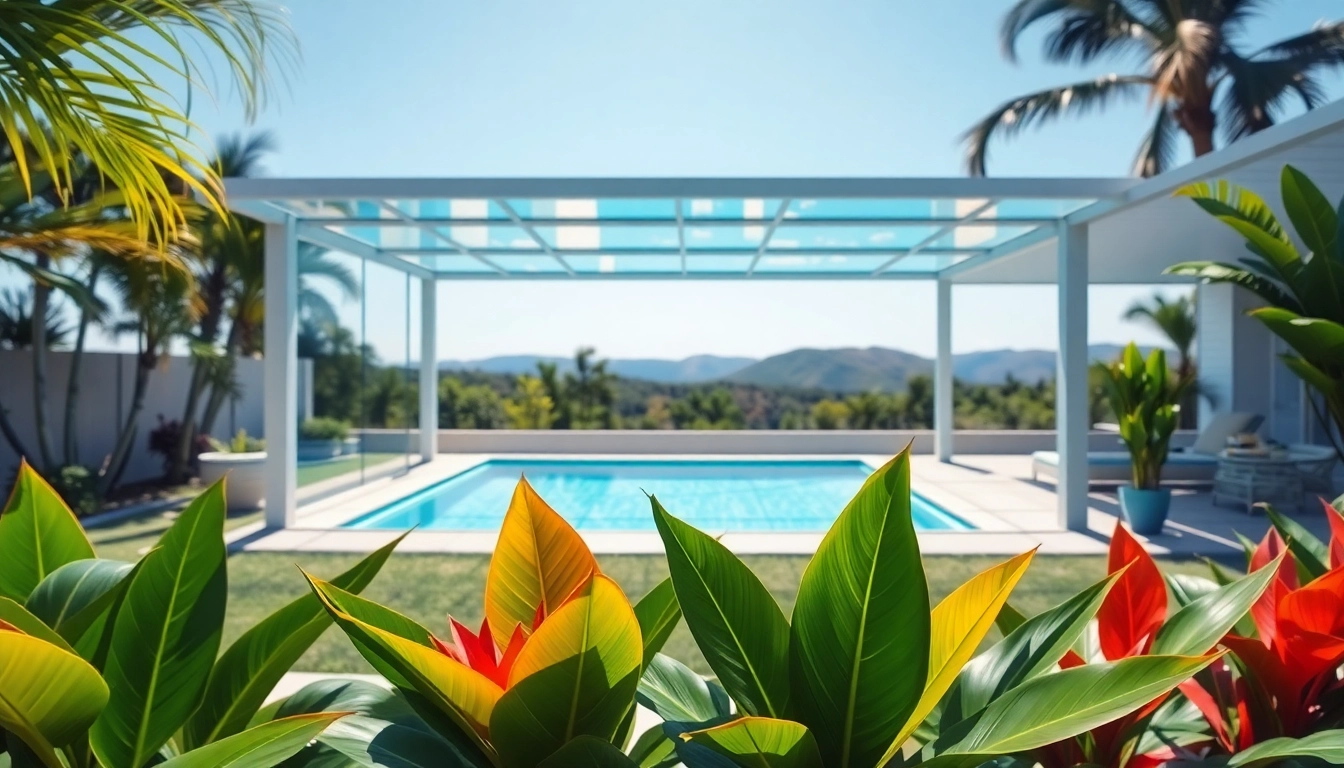
A Pool Enclosure is a protective structure that surrounds a swimming pool, designed to enhance the swimming environment by keeping debris, insects, and harsh weather at bay. These enclosures can be built from various materials such as glass, aluminum, or polycarbonate, each offering unique advantages in terms of aesthetics, durability, and energy efficiency.
Advantages of Installing a Pool Enclosure
Investing in a pool enclosure comes with numerous advantages that extend beyond mere aesthetics. Here are some key benefits:
- Extended Swimming Season: A well-constructed enclosure allows for year-round swimming by maintaining a more consistent temperature and creating a sheltered environment.
- Reduced Maintenance: Enclosures significantly minimize the amount of debris falling into your pool, thereby reducing cleaning time and costs.
- Enhanced Safety: With the right enclosure, your pool area can become safer, especially for children and pets, who cannot easily access the pool without supervision.
- Energy Efficiency: By maintaining water temperature and reducing evaporation, pool enclosures can lead to lower heating costs and improved energy efficiency.
- Pest Control: Enclosures act as a barrier to insects and other wildlife, allowing you to enjoy your pool without the annoyance of bugs.
Cost Comparisons for Different Pool Enclosures
The cost of a pool enclosure can vary significantly based on the design, materials, and size. For instance:
- Screens: Simple screen enclosures can cost between $4,000 to $14,000, depending on size and complexity.
- Glass Enclosures: Glass structures tend to be more expensive, generally falling between $10,000 to $50,000, due to their aesthetic appeal and durability.
- Custom Solutions: Custom enclosures tailored to your specific requirements can reach upwards of $65 per square foot, offering both personalization and functionality.
Types of Pool Enclosures Available
Fixed Pool Enclosure Solutions
Fixed pool enclosures are stationary structures that provide permanent protection. They offer robust shielding against the elements, ensuring a clean and comfortable swimming environment. These enclosures typically use materials like tempered glass or polycarbonate panels secured within a durable frame. While they can be more expensive, their longevity and low maintenance often justify the cost.
Telescopic and Retractable Pool Enclosures
For homeowners desiring versatility, telescopic and retractable enclosures present an appealing option. These structures can be opened or closed as desired, allowing users to enjoy the fresh air or provide protection from inclement weather. They are engineered for seamless operation and adaptability, making them ideal for altering the swimming experience with changing conditions.
Customizable Pool Enclosure Options
Custom pool enclosures cater to unique spaces and personal tastes. These solutions can incorporate various features, including integrated lighting, ventilation systems, and aesthetic elements like decorative panels or colors. Custom enclosures ensure that you can achieve not only maximum functionality but also enhance the overall appearance of your outdoor area.
Factors to Consider Before Purchasing a Pool Enclosure
Material Selection for Durability
Choosing the right material for your pool enclosure is crucial for its longevity and effectiveness. Common materials include:
- Screen: Ideal for basic protection and affordability, but less durable over time.
- Aluminum: Provides a great balance of strength and weight, resistant to rust and corrosion.
- Polycarbonate: Offers excellent insulation and UV protection, typically used in modern, high-quality enclosures.
- Glass: Offers the clearest views and aesthetic appeal but can be more costly and requires regular cleaning.
Size and Shape Compatibility
Before making any decisions, it's essential to consider the size and shape of your pool. Custom enclosures can adapt to unique configurations, while most standard designs suit rectangular or oval pools best. Be sure to evaluate the pool's dimensions and any surrounding structures that may impact installation.
Climate and Environmental Considerations
Your local climate can significantly influence the effectiveness of a pool enclosure. For example, in colder climates, a heavier-duty structure may be necessary to withstand winter conditions. Conversely, if you live in a warmer area, lighter materials that allow for better ventilation might be preferable. Consider factors like wind, snowfall, and UV exposure when selecting your enclosure.
Maintenance and Care for Your Pool Enclosure
Regular Cleaning Tips for Longevity
Regular maintenance is essential for the durability and appearance of your pool enclosure. Here are some cleaning tips:
- Wash Panels: Use mild soap and water with a soft cloth to remove grime and debris.
- Check Seals: Regularly inspect seals for damage or wear, as they play a critical role in keeping your enclosure airtight.
- Remove Debris: Regularly clear leaves and other debris from the enclosure and surrounding areas to prevent damage.
Seasonal Preparations and Care
Before changing seasons, ensure your pool enclosure is ready to withstand the coming weather. This includes:
- Inspecting for damaged materials and repairing them promptly to prevent more severe issues.
- Clearing snow or heavy rain from the roof to avoid structural stress.
Repairs and Upgrades to Enhance Functionality
As your pool enclosure ages, consider upgrades that might enhance its functionality. This could involve:
- Adding an automated opening mechanism for ease of use.
- Upgrading to stronger or more efficient materials, particularly if you experience heavy storms or extreme temperatures.
FAQs About Pool Enclosure
Is a pool enclosure worth the investment?
Yes, a pool enclosure enhances safety, extends the swimming season, and lowers maintenance costs, making it a worthwhile investment.
What materials are best for pool enclosures?
Durable options include polycarbonate and aluminum, chosen for their weather resistance and aesthetics, ensuring longevity.
How much does a pool enclosure typically cost?
Costs range significantly, averaging from $4,000 to $14,000 based on size, materials, and design, with higher-end options exceeding $50,000.
Can I install a pool enclosure myself?
While DIY installations are possible, hiring professionals is advised for complex designs to ensure safety and proper installation.
Will a pool enclosure make my pool warmer?
Yes, enclosures can maintain warmer water temperatures by reducing heat loss, greatly extending your swimming enjoyment.