What is a Blower Door Test?
Definition and Purpose
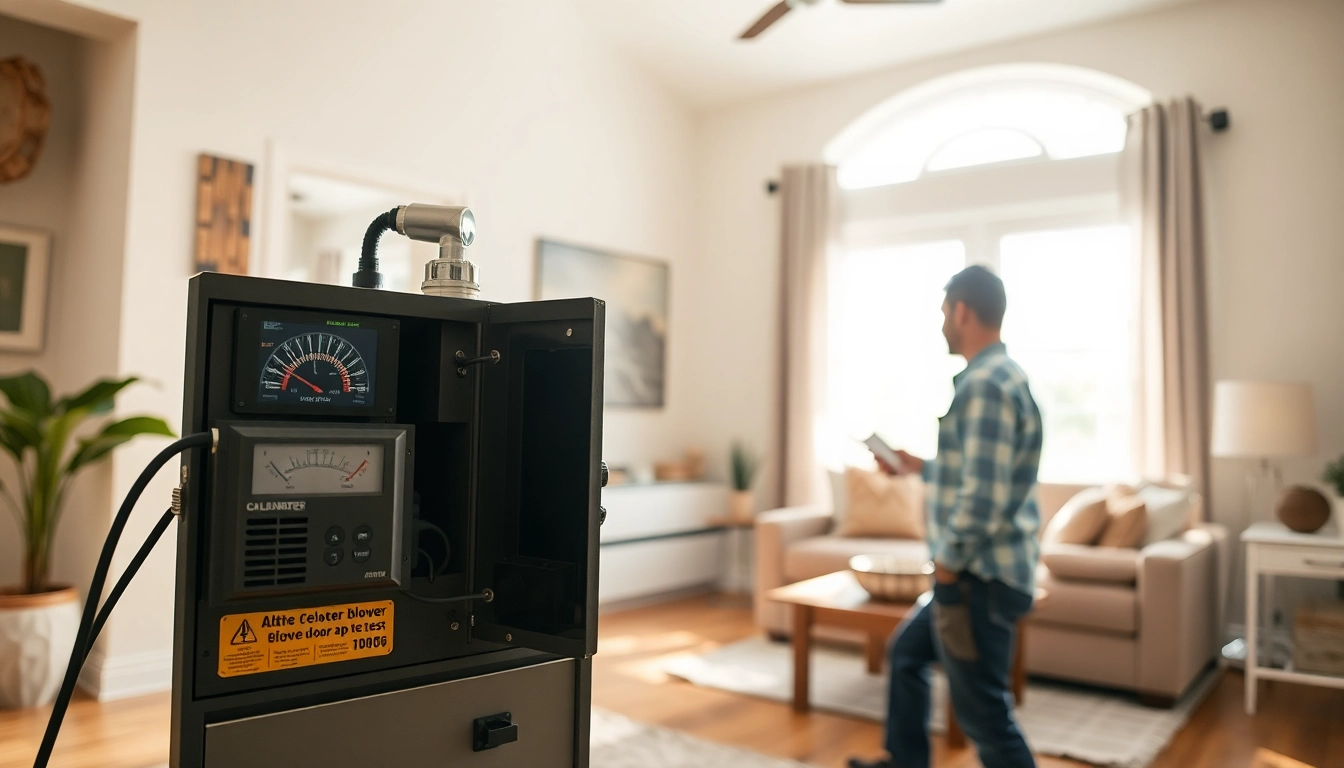
A blower door test is a diagnostic tool used to determine the airtightness of a building. It involves using a specialized fan to either pressurize or depressurize a building, allowing assessors to identify air leaks throughout the structure. By effectively measuring how much air a home can potentially lose, this test helps in developing a strategy for improving energy efficiency and ensuring overall building performance.
How It Works
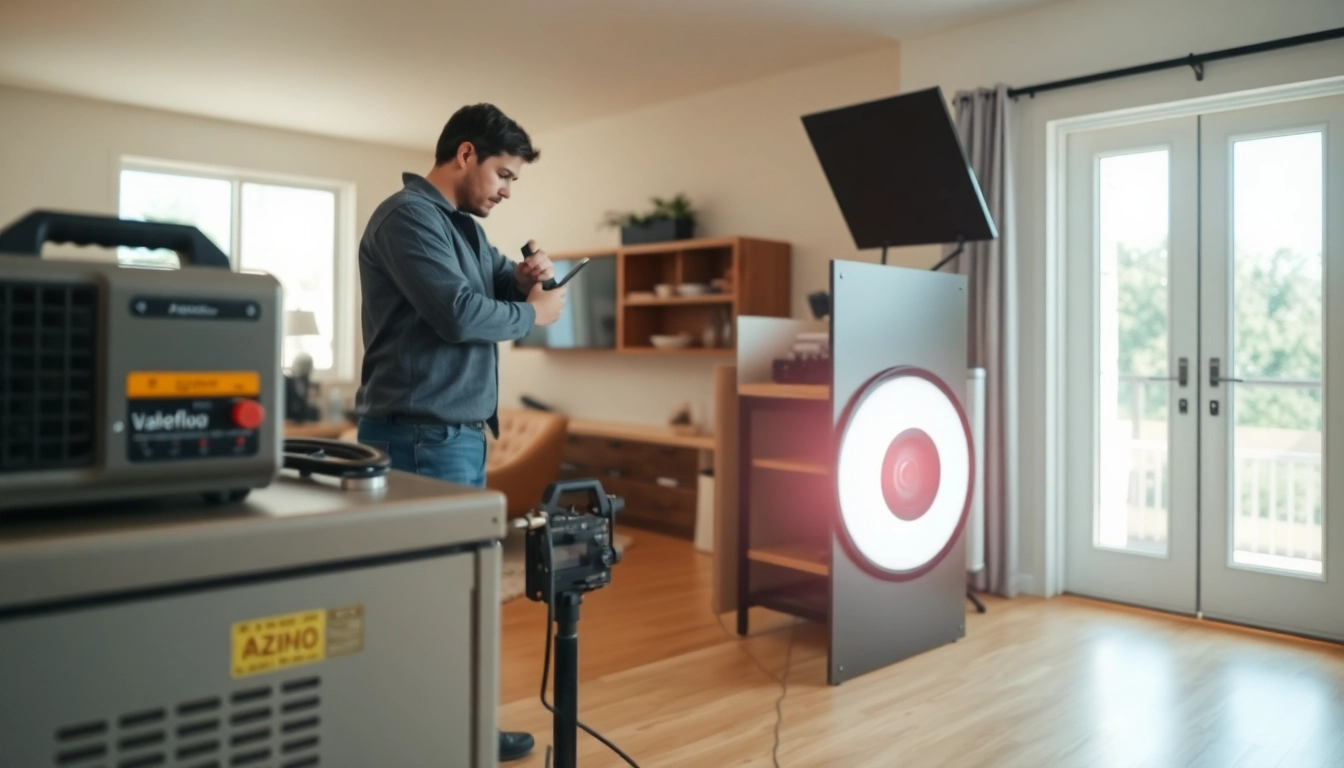
The mechanics of a blower door test are straightforward yet sophisticated. The process begins with sealing external openings, such as doors and windows. A blower door unit is then placed into an exterior doorframe, equipped with a fan that can blow air into or suck air out of the house. By altering the internal air pressure to a specific level—commonly 50 pascals—measurements of air leakage can be effectively taken. The results are quantitative, allowing professionals to evaluate the air changes per hour (ACH) in order to devise effective solutions for sealing the building.
Benefits of Conducting a Blower Door Test
Conducting a blower door test presents numerous advantages. It provides precise assessments of a home's air leakage, enabling targeted improvements that can lead to increased energy efficiency. Armed with this data, homeowners can undertake necessary repairs or upgrades, ultimately yielding cost savings on fuel bills and contributing to a more comfortable indoor environment. Additionally, blower door tests can identify issues pertaining to indoor air quality, helping to prevent moisture problems and reduce the risk of mold growth.
The Importance of Air Tightness
Energy Efficiency and Cost Savings
Maintaining air tightness in a home is paramount to achieving energy efficiency. Air leaks can significantly drive up heating and cooling costs by forcing HVAC systems to work harder to maintain desired temperatures. A well-sealed home, verified through a blower door test, reduces these leaks and improves overall energy performance. This not only translates into lower utility bills but can also enhance the value of a property.
Indoor Air Quality Improvement
Air tightness isn't just about energy savings; it's also crucial for health. Proper air sealing minimizes the influx of outdoor pollutants, allergens, and moisture that can compromise indoor air quality. The results of a blower door test can guide homeowners in identifying problematic areas and implementing effective solutions that can lead to improved air quality. This ultimately benefits the health and well-being of occupants.
Environmental Impact
In a world increasingly aware of environmental issues, energy conservation plays a significant role in reducing one’s carbon footprint. Buildings account for a substantial percentage of energy consumption, and by reducing air leakage, a blower door test assists in declining energy needs and related emissions. This aligns with broader environmental initiatives and regulations aimed at achieving sustainability across the construction and housing sectors.
Preparing for a Blower Door Test
Initial Home Assessments
Before conducting a blower door test, it is essential to perform an initial home assessment. This includes checking for visible signs of air leaks, such as drafts around windows and doors or gaps in the building envelope. Understanding the overall layout and age of the home can also provide valuable insights into expected performance and potential leakage areas. A comprehensive initial assessment sets the groundwork for a thorough blower door test.
Necessary Equipment and Tools
To conduct a blower door test, professionals use specific tools designed for measuring air flow and pressure. A blower door kit typically includes a specialized fan, a manometer to measure pressure differences, and often software to analyze the data collected. Familiarity with the equipment and its calibration is crucial for accurate results, underscoring the role of qualified technicians in this process.
Common Preparation Mistakes to Avoid
Homeowners often make several common mistakes when preparing for a blower door test. These include failing to close all windows and doors or neglecting to seal off exhaust fans and combustion appliances, which can skew results. Additionally, overlooking initial inspections may result in missed opportunities to correct leaks before testing. Ensuring that all areas of air leakage are addressed can significantly enhance the accuracy of test results.
Understanding Blower Door Test Results
Interpreting Air Leakage Metrics
Once a blower door test is completed, understanding the metrics is crucial. The primary number reported is the air changes per hour (ACH), which indicates how many times the air within the home is replaced by outside air in one hour at a pressure difference of 50 pascals. Ideally, newer homes should have an ACH of 3 or less, while older homes may naturally have higher values. This information allows homeowners and contractors to assess the need for repairs or upgrades.
Common Standards and Guidelines
Various standards are available to help assess the effectiveness of the blower door test. The Energy Star program, for instance, includes assessment criteria that buildings can meet to achieve certification as energy-efficient. Familiarity with these guidelines is essential for those conducting blower door tests, as it helps to align expectations and account for necessary improvements.
Actions to Take Based on Results
Depending on the results of the blower door test, there are specific actions homeowners can take to enhance air tightness. This may include sealing gaps with caulking or weatherstripping, improving insulation, or even upgrading windows and doors. In more comprehensive cases, hiring professionals for extensive air sealing and insulation upgrades may lead to significant improvements in both energy savings and comfort.
Frequently Asked Questions about Blower Door Tests
When is a blower door test required?
A blower door test is often required during energy audits, new construction, or renovations, and in cases where compliance with building codes is necessary. Additionally, it's useful when addressing poor indoor air quality or comfort issues within a home.
How much does a blower door test cost?
The cost of a blower door test can vary based on factors such as the size and complexity of the home. Typically, prices range from $300 to $600, depending on location and the technician’s expertise.
Can I perform a blower door test myself?
While it is technically possible to buy a blower door testing kit and perform a test yourself, hiring a professional is advisable. Professionals ensure correct setup and accurate data interpretation, maximizing the benefits of the test.
Are blower door tests accurate?
Yes, blower door tests are generally accurate when performed by trained professionals. Proper techniques and equipment calibration are essential for reliable measurements, which help in providing actionable results.
What impacts the results of a blower door test?
Several factors can impact the results, including the home's construction materials, age, and existing air sealing measures. Seasonal conditions can also influence indoor and outdoor temperatures and pressures, affecting test accuracy.