Understanding Hydraulic Cylinder Repair
What is Hydraulic Cylinder Repair?
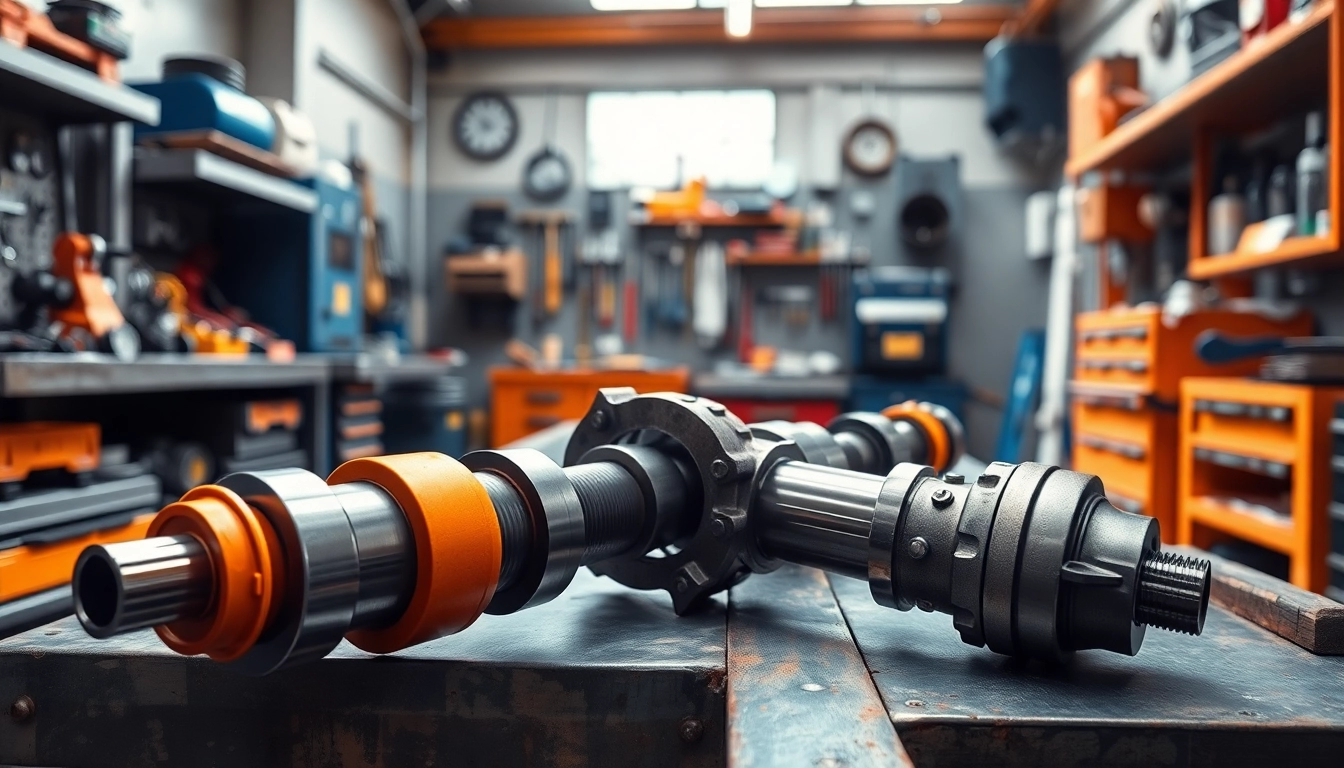
Hydraulic cylinders are a crucial component in various machinery, providing the necessary force and motion for hydraulic systems. Hydraulic cylinder repair involves diagnosing and fixing issues in hydraulic cylinders to restore their efficiency and functionality. This process may include replacing seals, honing the barrel, or reinstalling components that have worn out or failed. A well-executed repair can significantly extend the life of hydraulic equipment and improve overall operational reliability.
Common Causes of Hydraulic Cylinder Failure
Understanding the common causes of hydraulic cylinder failure is essential for effective maintenance and timely repairs. These failures often stem from a variety of factors, including:
- Improper Installation: If not installed correctly, hydraulic cylinders may operate inefficiently, leading to increased wear and tear.
- Contamination: Foreign particles in the hydraulic fluid can scratch or damage cylinder components, leading to leaks and failures.
- Overheating: Excessive heat can degrade seals and fluids, causing them to fail prematurely.
- Mismatched Components: Using incompatible parts during repair can result in malfunctions and reduced efficiency.
- Poor Maintenance Practices: Infrequent inspections and inadequate lubrication can lead to unnoticed wear and eventual failure.
Signs You Need Hydraulic Cylinder Repair
Identifying the signs that indicate the need for hydraulic cylinder repair is crucial for minimizing downtime and preventing further damage. Common signs include:
- Oil Leaks: Visible fluid around the cylinder may indicate seal failure or damage.
- Noisy Operation: Unusual sounds, such as grinding or whining, can signal internal issues.
- Piston Rod Wear: Scratches or wear patterns on the rod can lead to further internal cylinder damage.
- Reduced Performance: A noticeable decline in the effectiveness of machinery can suggest cylinder malfunction.
- Visual Damage: Cracks or dents on the exterior of the cylinder may point to internal problems.
Best Practices for Hydraulic Cylinder Maintenance
Regular Inspection Techniques
Regular inspections are vital for the longevity of hydraulic cylinders. Implementing structured inspection techniques can help identify problems early. Some effective methods include:
- Visual Checks: Inspect cylinders for signs of leakage, corrosion, or physical damage regularly.
- Pressure Testing: Conduct regular pressure tests to ascertain the cylinder's performance under load.
- Fluid Analysis: Monitor hydraulic fluid for contamination levels or degradation, which can indicate underlying problems.
- Function Tests: Run the hydraulics through their full range of motion to detect inconsistencies or anomalies.
Proper Lubrication Methods
Proper lubrication is fundamental in maintaining hydraulic cylinder performance. The right lubricant reduces friction between components and prevents overheating. Here are best practices for lubrication:
- Use Manufacturer-Recommended Lubricants: Always opt for lubricants that meet the specifications set by the manufacturer to ensure compatibility.
- Regular Oil Changes: Change hydraulic oil according to the manufacturer's schedule or when it becomes contaminated.
- Lubricate Seals: Ensure seals are adequately lubricated to prevent wear and tear due to friction.
- Monitor Levels: Regularly check hydraulic fluid levels and top up where necessary to maintain optimal performance.
Identifying Wear and Tear Early
Proactively identifying wear and tear in hydraulic cylinders can save time and money in repairs. Here are some tips:
- Inspect Seals Regularly: Check seals for cracks or deformities which can lead to leaks.
- Monitor Performance Metrics: Keep track of how cylinders perform over time, looking for signs of declining power or efficiency.
- Use Vibration Analysis: Analyze vibrations in hydraulic systems to detect anomalies that could indicate wear.
- Implement Predictive Maintenance: Use data analytics to predict potential failures based on historical performance data.
Step-by-Step Hydraulic Cylinder Repair Process
Disassembling the Hydraulic Cylinder
Disassembling a hydraulic cylinder requires careful steps to ensure all components are handled correctly. Follow these guidelines:
- Safety First: Always wear appropriate safety gear and ensure the system is depressurized before starting.
- Document Assembly: Take photos or notes of the assembly process to refer back to during reassembly.
- Remove Components: Carefully remove hoses, bolts, and other attachments before accessing the cylinder housing.
- Extract the Piston: Use suitable tools to pull the piston out without causing damage to the inner cylinder.
Inspecting and Cleaning Components
Once disassembled, each component must be inspected and cleaned thoroughly:
- Check for Wear: Look for signs of wear on seals, pistons, and the cylinder wall; replace worn parts as necessary.
- Clean Parts: Use appropriate cleaners to remove debris, grime, and residual hydraulic fluids from components.
- Inspect for Damage: Check for cracks, pitting, or other damage that may necessitate part replacement.
- Measure Critical Dimensions: Ensure that crucial parts meet specifications; wear tolerances can dramatically affect performance.
Reassembling for Optimal Performance
Proper reassembly of hydraulic cylinders is crucial to ensure they function effectively upon completion of repairs:
- Use New Seals: Always replace seals during reassembly to prevent future leaks.
- Apply Lubrication: Apply lubricant to seals and sliding parts to facilitate smooth operation.
- Refer to Documentation: Utilize documentation or photographs taken during disassembly for correct reassembly.
- Test the Assembly: After reassembly, conduct a pressure test to ensure everything functions correctly before returning to service.
Tools and Equipment for Effective Repair
Essential Tools for Hydraulic Cylinder Repair
Having the right tools can expedite the hydraulic cylinder repair process:
- Wrenches and Sockets: For loosening and tightening hydraulic fittings and bolts.
- Piston Puller: A specialized tool for safely removing the piston without damage.
- Cleaning Solvents: For maintaining cleanliness of surfaces and parts during repair.
- Measuring Tools: Calipers and micrometers for checking tolerances.
Choosing Quality Parts for Longevity
To ensure longevity in hydraulic repair, opt for quality parts:
- OEM Components: Original equipment manufacturer (OEM) parts are often the best choice for durability and fit.
- Quality Seals: Select seals made from high-quality materials to minimize future leaks.
- Reputable Suppliers: Purchase from trusted suppliers that adhere to industry standards to ensure part reliability.
Safety Gear and Precautions
Safety should always be a priority when working on hydraulic systems. Recommended safety gear includes:
- Protective Eyewear: To shield against debris and fluid splashes.
- Gloves: To protect hands from hydraulic fluid and sharp edges.
- Hard Hats: Especially in industrial environments where overhead hazards exist.
FAQ: Hydraulic Cylinder Repair
How long does hydraulic cylinder repair take?
Typically, hydraulic cylinder repair can take anywhere from a few hours to several days, depending on the extent of the damage and the availability of parts.
What are the costs involved in hydraulic cylinder repair?
The cost can vary widely based on the repair complexity, required parts, and labor rates, usually ranging from $100 to $1,000 or more.
Can I perform hydraulic cylinder repair myself?
If you have mechanical experience and the right tools, you can try DIY repairs. However, complex issues are best handled by professionals to ensure safety and effectiveness.
How often should hydraulic maintenance be performed?
It's recommended to carry out maintenance checks every 1-3 months, depending on usage, to prevent severe issues and ensure longevity.
What are some signs of a failing hydraulic cylinder?
Look for oil leaks, unusual noises, reduced performance, or visible damage, as these are common indicators of failure that may require hydraulic cylinder repair.
Contact Information
Call Us: 780.452.2876Email: [email protected]Address: 13111 159 Street Edmonton, AB T5V 1H6