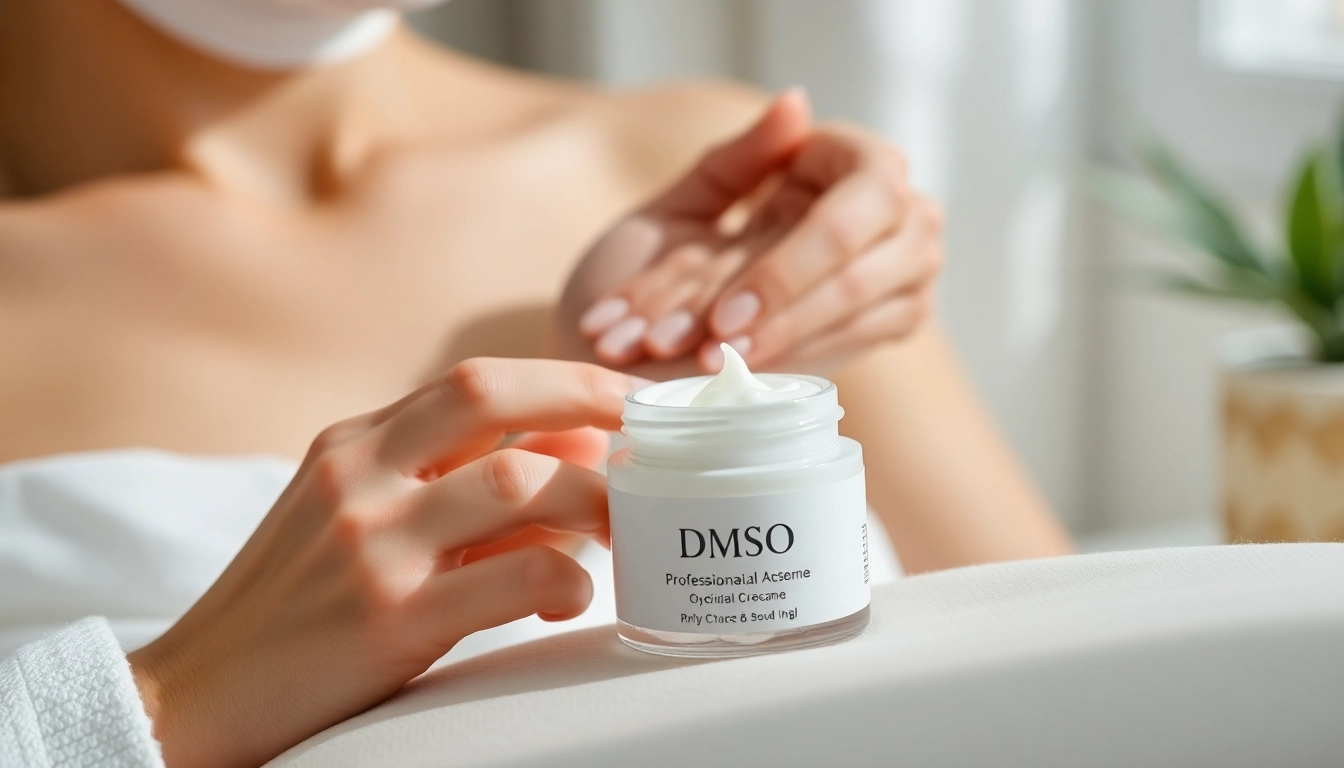
Understanding DMSO Cream: What You Need to Know
Dimethyl Sulfoxide (DMSO) cream is a topical solution gaining popularity for its wide range of applications. This compound, known for its unique ability to penetrate the skin, has garnered attention in both health and wellness circles. In this comprehensive guide, we will explore the origins, active ingredients, health benefits, usage techniques, safety precautions, and user experiences with dmso cream.
What is DMSO?
DMSO is a byproduct of the wood industry, specifically derived from the lignin found in tree fiber. First discovered in the 19th century, DMSO was utilized for its solvent properties, but its medicinal potential came to light in the 1960s. Researchers found that DMSO could effectively carry drugs through the skin, which led to extensive studies on its therapeutic effects.
The Origins of DMSO Cream
The journey of DMSO as a topical treatment began when scientists recognized its capacity to relieve pain and inflammation. Initially used in veterinary medicine for horses, especially for injuries and arthritis, DMSO's popularity gradually moved to human applications, where it has been used for various conditions such as arthritis, muscle pain, and sports injuries.
Active Ingredients in DMSO Cream
The primary active ingredient in dmso cream is, of course, dimethyl sulfoxide. However, many formulations include additional components to enhance effectiveness and improve skin absorption. These ingredients may include:
- Aloe Vera: Known for its soothing properties, it can help hydrate and repair skin.
- Vitamin E: An antioxidant that supports skin health and combat aging.
- Essential Oils: Often added for fragrance and additional therapeutic benefits, such as lavender and tea tree oil.
Health Benefits of DMSO Cream
Pain Relief and Inflammation Reduction
One of the most compelling reasons people turn to dmso cream is its ability to reduce pain and inflammation. Studies have indicated that DMSO possesses anti-inflammatory properties, making it effective for conditions like arthritis and tendonitis. Additionally, it can alleviate muscle soreness after strenuous exercise, enabling quicker recovery for athletes and active individuals.
Skin Health and Healing Properties
DMSO cream is also associated with numerous benefits for skin health. Its ability to penetrate deeply allows it to act on conditions such as psoriasis, eczema, and skin ulcers. By promoting circulation and reducing inflammation, it has been shown to speed healing processes and improve overall skin texture.
Potential Uses for Athletes and Active Individuals
For athletes, dmso cream can be a game-changer. From pain management to recovery facilitation, this topical solution can enhance performance by mitigating soreness and enhancing flexibility in muscles and joints. People who engage in high-impact sports often find that applying DMSO cream before or after activity aids in maintaining muscle health and reducing downtime due to injuries.
How to Use DMSO Cream Effectively
Application Techniques for Maximum Effect
When using dmso cream, proper application is crucial. Here are some key steps:
- Clean the area: Ensure the skin is clean and dry to maximize absorption.
- Apply a small amount: Use a pea-sized amount for targeted relief and gently massage it in until fully absorbed.
- Limit additional products: Avoid using other lotions or creams simultaneously, as they may hinder DMSO's absorption.
Dosage and Frequency Recommendations
While the specific dosage of dmso cream may vary based on individual needs and the condition being treated, a common recommendation is to apply the cream 1 to 3 times daily. It's essential to listen to your body and adjust usage based on your response and desired effects.
Safety Precautions and Contraindications
Though DMSO is generally considered safe for topical use, certain precautions should be taken. It is crucial to conduct a patch test on a small area to check for allergic reactions. Avoid contact with open wounds and broken skin, as DMSO can carry contaminants into the bloodstream. Pregnant and breastfeeding individuals should consult their healthcare provider before use.
Investigating Risks Associated with DMSO Cream
Common Side Effects to Watch For
As with any topical treatment, dmso cream can have side effects. Common reactions may include:
- Skin irritation or rash.
- Garlic-like taste or odor on the breath.
- Transient headaches or dizziness.
Most side effects are typically mild, but if severe reactions occur, it is essential to discontinue use and consult a healthcare professional.
Who Should Avoid DMSO Cream?
Individuals with certain conditions, such as severe liver disease or those taking specific medications that may interact with DMSO, should avoid its use. It is advisable for people with a history of allergies to consult a healthcare provider before starting treatment.
Consulting with Healthcare Providers
Before using dmso cream, especially for chronic pain or health issues, it's wise to consult a healthcare provider. They can provide personalized recommendations and ensure that the product is suitable for your specific health profile.
Real User Experiences: DMSO Cream Reviews
Positive Testimonies and Transformations
Feedback from users often highlights significant relief from pain and improved mobility. Many athletes have reported that incorporating dmso cream into their recovery routines has led to decreased soreness and faster recovery times, allowing them to maintain rigorous training schedules.
Critical Feedback and Considerations
While many praise DMSO for its effectiveness, some users express concerns about the potential for skin irritation or the peculiar odor associated with DMSO. It’s essential for users to be aware of these factors before committing to regular use.
Comparative Analysis with Other Topicals
Compared to traditional analgesics and anti-inflammatories, dmso cream offers a unique delivery method that can enhance therapeutic effects. Unlike oral medications that go through the digestive system, DMSO's skin penetration provides targeted relief directly to the affected area, often resulting in faster onset of pain relief.
Frequently Asked Questions About DMSO Cream
1. Can I use DMSO cream on sensitive skin?
While some people may tolerate DMSO on sensitive skin, it is crucial to do a patch test first to avoid irritation. If any rash or discomfort occurs, discontinue use.
2. How long does it take for DMSO cream to work?
Most users report feeling relief within 30 minutes to a couple of hours after application, depending on their individual sensitivity and the condition being treated.
3. Is DMSO cream safe for long-term use?
In general, DMSO cream can be used long-term; however, it’s best to consult with a healthcare provider for personalized advice based on individual health circumstances.
4. Can DMSO cream interact with other medications?
DMSO can enhance the absorption of other drugs, which may lead to unintended effects. Always check with a healthcare professional before combining treatments.
5. What should I do if I experience side effects?
If you notice any severe side effects or allergic reactions, stop using the product immediately and consult a healthcare provider for further advice.