Understanding Virtual Stroke Care: An Overview
In recent years, advancements in telemedicine have transformed the landscape of healthcare, particularly in managing acute medical conditions such as strokes. Virtual stroke care represents a paradigm shift in how patients receive timely assessment and treatment, thus improving outcomes significantly. By leveraging technology, healthcare providers can now connect patients experiencing stroke symptoms with neurology specialists remotely, facilitating quicker diagnoses and interventions that may be critical for saving lives and reducing long-term disabilities. When exploring options, Virtual stroke care stands out as a vital resource in modern medical practice.
What is Virtual Stroke Care?
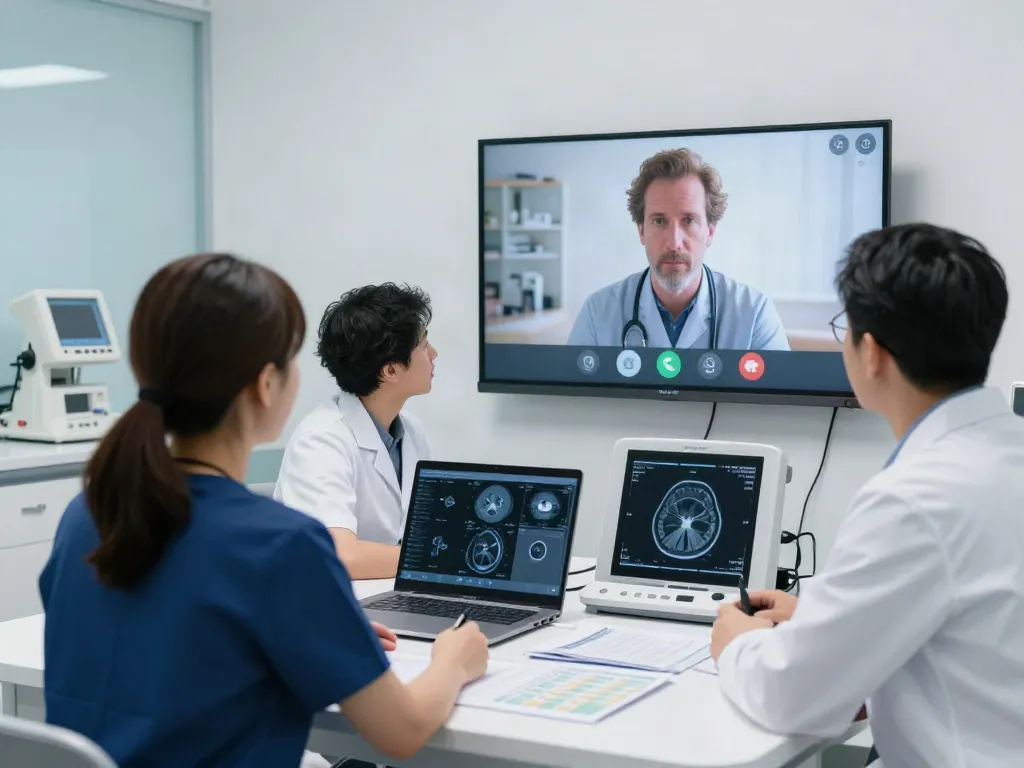
Virtual stroke care involves the use of telemedicine technologies to provide remote assistance to patients experiencing stroke symptoms. This care model enables healthcare professionals to assess, diagnose, and manage stroke cases from a distance, utilizing a combination of high-definition video consultations, imaging technologies, and electronic health records. Virtual stroke programs often employ a network of specialists who can be activated immediately when a stroke is suspected. This means that critical assessments can be conducted within minutes, even before the patient arrives at the hospital.
How Telestroke Works in Real-Time Diagnosis
Telestroke systems are designed to facilitate immediate communication between emergency medical services (EMS) personnel and specialized stroke neurologists. When a patient presents with stroke-like symptoms, EMS can connect to a neurologist via secure video conferencing tools. This connection allows the neurologist to evaluate the patient in real-time, analyze imaging results such as CT scans, and make informed decisions about the most appropriate course of action. This rapid assessment is crucial, as treatments such as thrombolysis must be administered within a specific time frame to optimize recovery.
The Role of Technology in Enhancing Stroke Care
Technological innovations play a pivotal role in enhancing virtual stroke care. High-resolution imaging devices, cloud-based health record systems, and advanced communication tools are all integral components of effective telestroke programs. These technologies ensure that both healthcare providers and patients have timely access to necessary information. Moreover, integrating artificial intelligence (AI) and machine learning algorithms can improve early detection and diagnosis accuracy by analyzing patient data and identifying stroke patterns that may not be immediately visible to the human eye.
Benefits of Virtual Stroke Care for Patients
Improved Access to Neurology Specialists
One of the most significant advantages of virtual stroke care is enhanced access to neurology specialists, particularly for patients in rural or underserved areas. Traditionally, patients may have faced long travel times to reach specialized care. With virtual consultations, patients can receive immediate support from board-certified neurologists regardless of their geographical location. This level of access is crucial in emergency situations where every minute counts.
Faster Response Times and Diagnosis
Speed is of the essence when dealing with strokes. Virtual stroke care allows for expedited treatment by reducing the time required to initiate consultations and diagnose conditions. Telemedicine can effectively triage patients and determine treatment protocols on-site, maximizing the chances of a successful outcome by administering life-saving treatments without delay.
Reduced Hospital Readmissions and Costs
Implementing virtual care strategies has been shown to lower hospital readmission rates. Patients receiving follow-up care through telemedicine can communicate their concerns and receive prompt advice from their healthcare providers without needing to return to the hospital in person. This not only alleviates the stress on hospital resources but also reduces costs associated with unnecessary admissions and extended stays.
Challenges and Limitations of Virtual Stroke Care
Technological Barriers to Implementation
While the benefits of virtual stroke care are clear, there are also challenges associated with its implementation. Technological barriers such as inadequate internet connectivity, lack of access to necessary devices, and insufficient training on telehealth platforms can hinder the effective delivery of virtual stroke services. Addressing these barriers requires substantial investment from healthcare systems to ensure that all patients have access to the technology needed for virtual consultations.
Patient Compliance and Trust Issues
Another challenge is ensuring patient compliance and building trust in virtual care. Some patients may feel uncomfortable using unfamiliar technologies or prefer face-to-face interactions with healthcare professionals. It is essential for healthcare providers to engage with patients and educate them about the advantages of virtual care, which can alleviate fears and misconceptions surrounding telemedicine.
Regulatory and Reimbursement Constraints
Regulatory issues and reimbursement policies also pose challenges. Many insurance providers have yet to fully recognize and reimburse for virtual care services at the same rates as in-person visits, leading to inconsistencies in care access. Until more uniform policies are established across different regions, disparities in service availability may continue to exist.
Best Practices for Implementing Virtual Stroke Care
Strategies for Healthcare Providers
Healthcare institutions looking to implement virtual stroke care should start with comprehensive planning and strategy development. Establishing partnerships with technology providers can facilitate the integration of telehealth solutions into existing care frameworks. Moreover, creating streamlined protocols for emergency services can effectively connect patients to stroke specialists in real-time.
Training and Education for Medical Staff
Training the medical staff on telemedicine tools and practices is vital to successful implementation. Regular workshops, simulations, and feedback sessions can help improve proficiency in using virtual platforms, ultimately enhancing the patient care experience. Staff should also be trained to address patient concerns and provide reassurance regarding the quality of telehealth services.
Engaging Patients in Virtual Care Solutions
To foster patient engagement, healthcare providers should encourage patients to take an active role in their care plans. This can be achieved through proactive communication, educational resources about virtual care, and transparent discussions about treatment options. By involving patients in their healthcare journeys, providers can enhance compliance and satisfaction with virtual stroke services.
Future Trends in Virtual Stroke Care
Emerging Technologies and Innovations for 2026
The future of virtual stroke care looks promising, with several emerging technologies poised to redefine the approach to stroke management. Innovations such as remote monitoring devices, wearable health tech, and mobile health applications are expected to play critical roles in continuous patient monitoring and support. These advancements will allow for more tailored interventions and a proactive approach to stroke prevention.
Integration with Artificial Intelligence in Diagnostics
As artificial intelligence continues to evolve, its integration into virtual stroke care will likely enhance diagnostic capabilities further. AI algorithms can streamline complex data analysis processes, enabling neurologists to make quick, informed decisions based on extensive patient data analysis. This can lead to even more accurate and timely diagnoses, potentially saving lives.
Predictions for Patient Care Evolution in Stroke Treatment
Looking to the future, the evolution of patient care in stroke treatment will increasingly encompass personalized, patient-centric approaches. Virtual care will no longer be a supplementary option but rather a standard component of stroke management. As the healthcare landscape evolves, adapting to these changes will be essential for enhancing patient outcomes and satisfaction in stroke care.