The Concept Behind the Million Dollar Homepage
What is the Million Dollar Homepage?
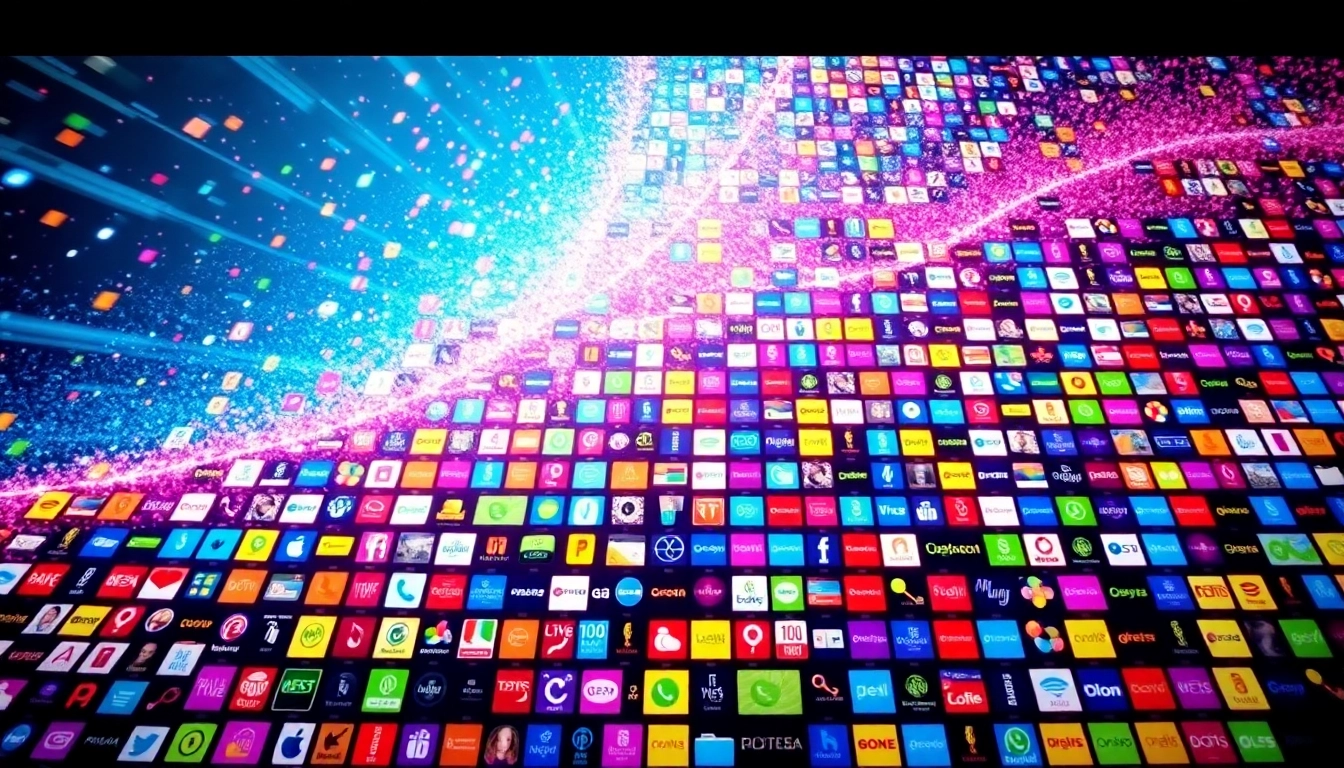
The million dollar homepage is a unique digital marketing endeavor created in the early 2000s, where one million pixels were sold for one dollar each. The site’s homepage is essentially a digital mosaic; each pixel represents an advertisement for brands and services, thereby creating a unique convergence of internet art and marketing. Its simplicity and innovative approach attracted widespread attention, making it a phenomenon studied by marketers and entrepreneurs alike.
The Vision of the Creator
The brainchild behind the million dollar homepage was a British student named Alex Tew. Motivated by the desire to fund his education, Tew's vision was simple but innovative: to create a platform where advertisers could buy small portions of digital real estate on a large scale. Tew's strategy engaged web users by making them participants in an opportunity that had never been seen before—a chance to advertise in what became a virtual billboard. Through his initiative, Tew not only achieved his financial goal but also demonstrated the power of creativity in the business world.
Impact on Online Advertising
The million dollar homepage revolutionized how advertising could be approached online. Instead of traditional banners or pay-per-click models, Tew's concept offered a fresh perspective that highlighted the potential of niche marketing. It inspired many businesses to think outside the box and embark on unconventional advertising strategies, paving the way for other creative platforms. The site’s massive media coverage showcased the efficacy of viral marketing, and it remains a case study in advertising courses worldwide.
How the Million Dollar Homepage Works
Revenue Generation Model
The revenue generation model of the million dollar homepage was brilliantly straightforward. Advertisers purchased blocks of pixels to display their logos, links, or images. Once the site reached one million dollars in sales, it effectively served its purpose. This model showcased a direct one-to-one connection between visibility and profit, with the buyers understanding precisely what they were getting for their investment. The success emphasized the idea that innovative marketing can transcend traditional media strategies.
Visual Design and Layout
The layout of the million dollar homepage is minimalist yet effective, utilizing a grid system to manage the display of pixelated advertisements. Each pixel acts as an independent cell, leading to a vibrant visual mosaic. This uncomplicated aesthetic ensured an equal playing field for all advertisers, regardless of size. The interface was user-friendly, enabling visitors to effortlessly navigate through different advertisements. This amalgamation of visual art and digital marketing allowed a multitude of brands to coexist on a single platform, showcasing the synergy of creativity and commerce.
User Engagement Strategies
Engagement played a pivotal role in the site’s success. The premise of purchasing pixels created a sense of ownership among advertisers. Each time a user clicked on an ad, they not only interacted with the brand but engaged with the very concept of the million dollar homepage itself. Additionally, the novelty of the platform sparked conversations across social media and blogs, encouraging users to spread the word and share their advertising experiences. Tew's initiative successfully transformed passive browsing into active participation, keeping internet users intrigued.
Success Stories from the Million Dollar Homepage
Case Studies of Effective Advertisers
Various brands have leveraged the million dollar homepage to effectively connect with their target audiences. One notable success story involves a small business that opted to invest in several pixel blocks. By creatively incorporating their logo and a compelling message, they attracted significant web traffic, leading to increased sales. This small-scale success highlights how even minimal investment in innovative platforms can yield substantial returns when executed effectively. The massive exposure helped small businesses to compete with established brands, illustrating the accessibility of internet marketing.
Unique Marketing Initiatives
One distinctive marketing approach employed by advertisers on the million dollar homepage was gamification. Some brands created interactive elements or contests associated with their advertisements, incentivizing clicks and engagement. This created a more immersive experience for users, driving traffic back to the advertisers’ main sites. Moreover, initiatives that encouraged users to share the pixelated ads on social media platforms helped amplify their reach exponentially, demonstrating how integrated marketing strategies can produce collective benefits.
Long-term Benefits for Brands
While the million dollar homepage might seem like a short-term marketing tactic, many brands have reaped long-term benefits from their investments. The brand visibility experienced through the pixel purchases translated into lingering recognition, promoting brand loyalty among consumers. Additionally, companies gained insights into their analytics, exploring traffic sources that they hadn't previously tapped into. This platform served as a powerful springboard for brands to make more informed advertising decisions in the future, emphasizing the value of understanding digital interactions.
Challenges and Criticisms of the Million Dollar Homepage
Short-lived Attention Span
Despite its initial success, the million dollar homepage faced challenges related to maintaining long-term interest. As trends and user preferences evolved, the novelty that once captivated audiences began to wane. Many advertisers reported diminishing returns over time, as users’ attention became increasingly fragmented across numerous online platforms. This highlighted the temporal nature of viral marketing; maintaining relevance required ongoing adaptive strategies, emphasizing the need for advertisers to continuously innovate to retain audience engagement.
Critiques on Marketing Ethics
The million dollar homepage also drew criticisms regarding ethical considerations in marketing. Some argued that the commodification of pixels trivialized brand messages, reducing them to mere visual units devoid of meaningful communication. Additionally, concerns over click fraud arose, as it became challenging to ensure that all interactions were genuine. This necessitated a dialogue around the necessity of ethics in marketing practices, prompting future platforms to develop more robust accountability measures to safeguard advertisers and consumers alike.
Relevance in Today's Digital Age
In today’s fast-paced digital landscape, questions remain about the relevance of the million dollar homepage concept. While the model paved the way for many ideas, audiences today seek more dynamic and interactive experiences. There is a growing demand for content that fosters genuine connections rather than simple visibility. This has led to the evolution of advertising platforms integrating user participation, storytelling, and immersive experiences. Therefore, adapting to the changing trends in digital marketing is crucial for any platform aspiring to retain significance in this space.
The Future of Concepts Like the Million Dollar Homepage
Innovative Campaign Ideas
The future of advertising concepts inspired by the million dollar homepage may feature innovative campaign structures, such as augmented reality (AR) experiences or integrated social media components. Advertising strategies are likely to embrace personalization, where advertisements are tailored based on user preferences and behaviors. Engaging elements that allow users to interact with the ad in a two-way dialogue can create memorable connections between brands and consumers, fostering brand loyalty over time.
Predictions on Similar Platforms
As the digital landscape evolves, it is likely that new platforms mimicking the million dollar homepage will emerge, focusing on community-based engagement. However, they will need to utilize technology such as artificial intelligence to enhance user experience and ensure that content aligns with real user needs. Finding the balance between creativity and data-driven marketing will remain essential to ensure that these platforms fulfill the dual roles of being engaging while delivering tangible results for advertisers.
Adapting to Changing Trends
The continuous evolution in consumer behavior and digital marketing trends necessitates that platforms inspired by the million dollar homepage adapt accordingly. Emphasizing user-generated content, and creating spaces where consumers can co-create will be pivotal. By integrating elements of collaboration, transparency, and meaningful interactions, future platforms can capture audience interest and maintain relevance in a rapidly changing environment. Brands must continuously refine their approaches to ensure they resonate with digital-savvy consumers who seek authentic and engaging experiences.
Frequently Asked Questions
What is the concept of the million dollar homepage?
The million dollar homepage is a website selling a million pixels for $1 each, advertising various services.
How did the million dollar homepage generate revenue?
Revenue was generated by selling ad space in pixel blocks, creating a digital mosaic for advertisers.
What impact did the million dollar homepage have on online advertising?
It inspired unique marketing approaches and highlighted the potential of unconventional advertising strategies.
What challenges does the million dollar homepage face?
Challenges include keeping user interest and addressing ethical concerns surrounding online advertising.
What is the future of similar platforms to the million dollar homepage?
Future concepts may evolve by incorporating interactive elements and responding to user engagement trends.