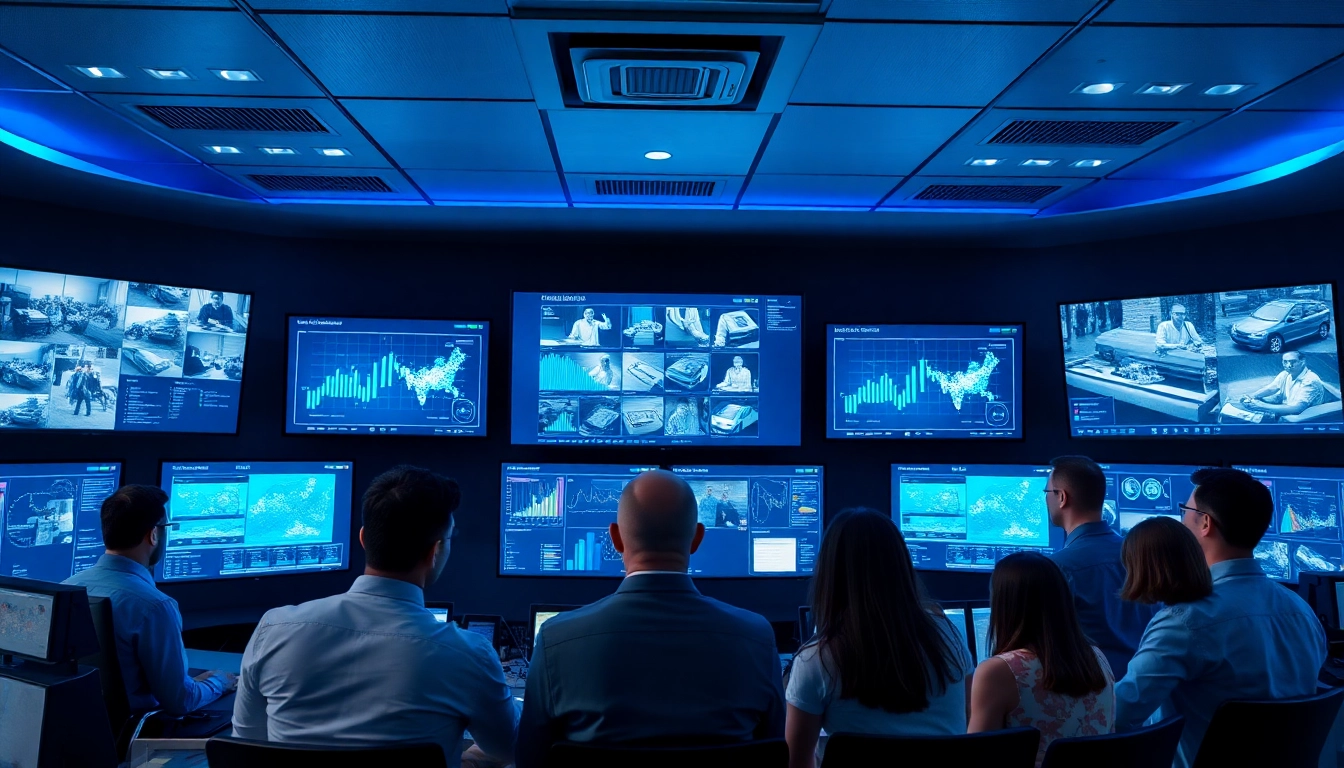
Introduction to Video Surveillance Analytics
In today's security landscape, video surveillance analytics has emerged as a pivotal technology, enabling organizations to conduct real-time analysis of video feeds. This revolutionary approach allows businesses to translate passive video data into proactive insights, ultimately reshaping their security models and operational efficiencies.
What is Video Surveillance Analytics?
Video surveillance analytics refers to a suite of technologies that utilize algorithms and artificial intelligence to analyze video footage. This innovation allows systems to identify, track, and interpret events happening in real time. By processing vast amounts of visual data, organizations can derive actionable insights, enhance responses to incidents, and improve overall security measures.
Importance of Video Surveillance Analytics
The importance of video surveillance analytics cannot be overstated. In an era where threats can emerge suddenly, the ability to analyze live video feeds enhances proactive security. It helps organizations not only to respond quickly to potential threats but also to anticipate security challenges based on data trends. The analytical insights gained can also inform strategic decision-making across various organizational facets.
Key Components of Video Surveillance Analytics
Key components of video surveillance analytics include real-time data processing, object detection, event classification, and reporting features. These elements work together to provide a comprehensive security solution that maximizes situational awareness and operational efficiency. Other vital components include facial recognition, motion detection capabilities, and integration with other security systems and devices.
Benefits of Implementing Video Surveillance Analytics
Enhanced Security Measures
One of the foremost benefits of implementing video surveillance analytics is the enhancement of security measures. By leveraging advanced analytics, organizations can detect unusual patterns, recognize potential threats, and trigger alerts automatically. This capability significantly reduces the chances of human errors during manual monitoring and enables security personnel to focus on critical incidents.
Operational Efficiency Improvements
Video surveillance analytics also contribute to operational efficiency improvements. By automating the analysis of video feeds, organizations can minimize the amount of time required for manual review. This efficiency enables teams to allocate their resources more effectively, streamline operations, and reduce overhead costs associated with traditional surveillance methods.
Real-Time Incident Response
With real-time analytics, organizations can achieve a swift response to incidents. Automated alerts and notifications allow security personnel to act immediately, mitigating risks before they escalate into more significant problems. This immediate response capability not only boosts security but also enhances overall trust among clients and stakeholders.
Types of Video Surveillance Analytics Technologies
Object Detection and Recognition
Object detection and recognition technologies are foundational aspects of video surveillance analytics. These technologies deploy advanced machine learning algorithms to identify and classify objects within the video feed, allowing security systems to lock onto suspicious activity efficiently. The ability to track specific objects enhances situational awareness and improves response times significantly.
Facial Recognition Technologies
Facial recognition technology is an advanced form of video analytics that enhances security operations by identifying individuals in real time or via historical video recordings. This capability can be especially useful in controlled environments such as airports, casinos, and corporate offices, where access control is essential. However, its implementation requires careful consideration of privacy and ethical implications.
Behavioral Analysis Features
Behavioral analysis features leverage AI-driven algorithms to assess human behavior captured within video feeds. These features can detect anomalies or unusual patterns, providing critical insights into potential threats or hazardous situations. They can proactively alert security personnel about preemptive signs of misconduct or incidents, facilitating a more informed security response.
Best Practices for Implementing Video Surveillance Analytics
Assessing Your Organization’s Needs
Before implementing video surveillance analytics, it’s essential to assess your organization's specific needs thoroughly. Understanding the unique security challenges and operational requirements will guide the selection of appropriate technologies and solutions. This assessment should involve consulting various stakeholders, including security teams, IT personnel, and management, to develop a tailored strategy.
Choosing the Right Technology Solutions
Selecting the right technology solutions is crucial for successful implementation. Organizations must consider factors like compatibility with existing systems, scalability to accommodate growth, and specific analytics features that align with their operational goals. Conducting thorough research and possibly initiating pilot programs can help in making informed decisions.
Training and Development for Operators
Implementing video surveillance analytics requires training and development for operators to maximize the effectiveness of the technology. Organizations should invest in training sessions to equip security personnel with the skills needed to utilize analytics tools effectively. Understanding how to interpret data insights and respond to alerts in real time is vital for optimal performance.
Measuring the Effectiveness of Video Surveillance Analytics
Key Performance Indicators (KPIs)
Establishing Key Performance Indicators (KPIs) is essential for measuring the effectiveness of video surveillance analytics. Examples of KPIs include incident response times, the number of threats detected, and overall unauthorized access attempts. These metrics help gauge the system’s performance and identify areas for improvement while also offering valuable insights into the return on investment.
Regular System Assessment and Upgrades
To ensure that video surveillance analytics continue to meet evolving security needs, regular system assessments and upgrades are necessary. Periodical checks can help identify any shortcomings or inefficiencies in the existing setup. Upgrading technology as needed will maintain peak performance and provide access to the latest advancements in analytics features.
User Feedback and Continuous Improvement
User feedback is a critical component of evaluating the effectiveness of video surveillance analytics. Gathering opinions from operators who interact with the system on a daily basis can uncover practical insights regarding usability and functionality. Continuous improvement initiatives based on this feedback can significantly enhance system performance and user adoption.
Frequently Asked Questions
What is video surveillance analytics?
Video surveillance analytics refers to technologies that analyze video footage to generate actionable insights in real time, improving security and operational effectiveness.
How does video surveillance analytics improve security?
By facilitating automatic detection and classification of events, video surveillance analytics helps identify potential threats and expedite responses, enhancing overall security measures.
What are the common features of video surveillance analytics?
Common features include motion detection, facial recognition, object tracking, and behavioral analysis, providing detailed insights from video feeds.
Can small businesses benefit from video surveillance analytics?
Yes, small businesses can utilize video surveillance analytics to enhance security, gather customer insights, and optimize operations, adapting to their specific needs.
What should be considered when selecting a video surveillance analytics solution?
Consider compatibility, scalability, user interface, technical support, and specific features that align with your security objectives and business requirements.