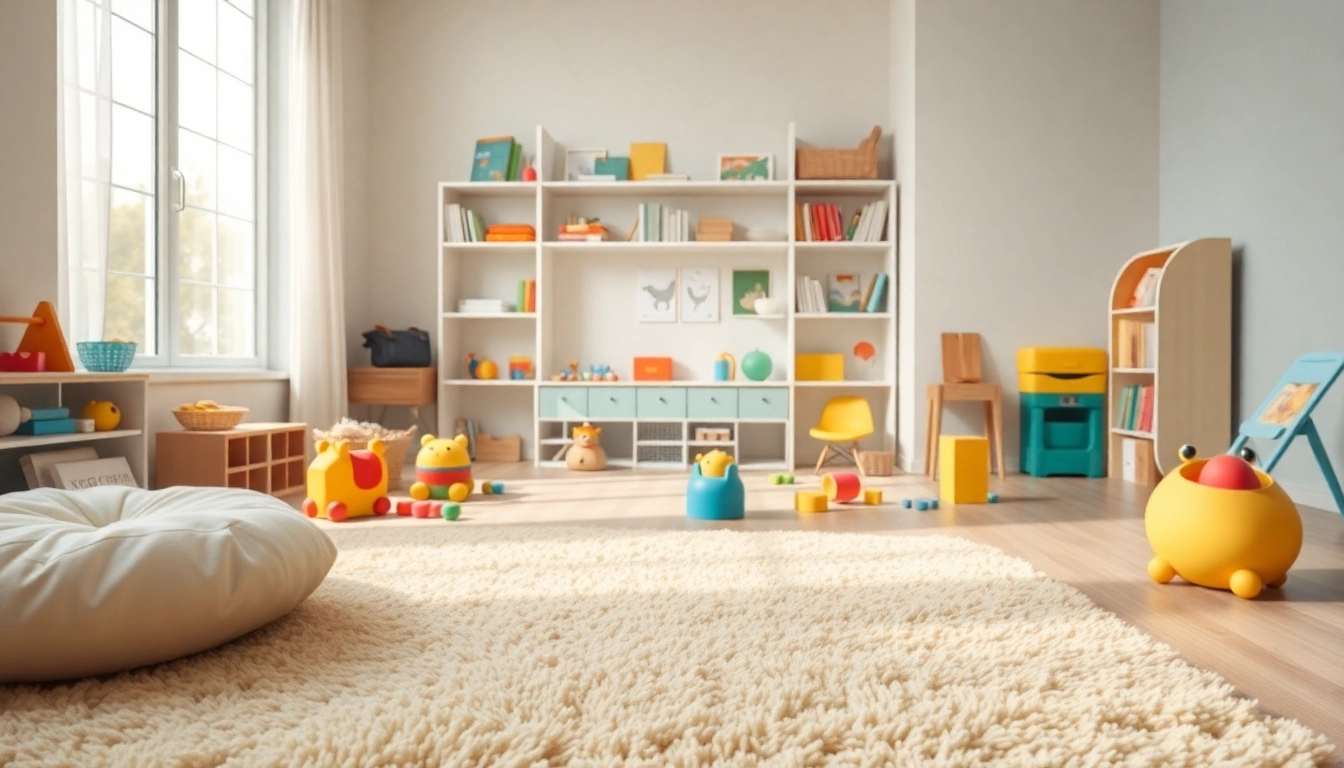
What is Play Therapy?
Definition and Scope of Play Therapy
Play Therapy is a therapeutic approach that utilizes the natural communication and learning styles of children, making it a powerful tool in mental health treatment. It is defined as the systematic use of a theoretical model that establishes an interpersonal process, where trained therapists leverage the therapeutic power of play to help children navigate psychosocial difficulties, ultimately fostering optimal growth. This approach allows children, often aged between 3 to 12, to express their feelings and thoughts through play rather than traditional verbal communication, thus helping them process emotions in a safe environment. In essence, Play Therapy acts as a bridge for therapists and children, enabling the exploration of sensitive topics that may be challenging to articulate verbally.
Historical Background of Play Therapy
The origins of Play Therapy can be traced back to the early 20th century, with notable milestones including the work of Melanie Klein and Anna Freud, who emphasized children's play as a means to understand their psychology. In the 1940s and 1950s, the approach solidified with the establishment of Child-Centered Play Therapy by Virginia Axline, who developed a model focusing on the child's autonomy in the therapeutic process. Over the decades, Play Therapy has evolved, incorporating various theoretical frameworks and techniques, expanding its reach beyond just children and exploring its efficacy with adolescents and adults. This historical context underscores Play Therapy's adaptability and relevance in contemporary therapeutic practices.
Importance in Child Development
Play is integral to childhood development, serving as a vehicle for learning and emotional expression. Through Play Therapy, children harness this natural inclination for play to process their experiences, build coping skills, and develop critical thinking capabilities. Engaging in play allows children to rehearse social situations, explore fears, and practice handling conflicts. Furthermore, research highlights that children who participate in Play Therapy often demonstrate improved emotional regulation, enhanced social skills, and a greater capacity to tackle complex life situations, making it a crucial component in addressing mental health issues early in life.
Techniques Used in Play Therapy
Creative Expressions through Play Therapy
Creative expression is at the heart of Play Therapy, utilizing toys, art materials, and games as mediums through which children can convey their thoughts and feelings. Techniques such as role-play, storytelling, and art creation allow children to project their inner worlds onto external objects, facilitating therapeutic dialogue between the child and therapist. For instance, a child may use action figures to re-enact family dynamics, offering insights into their emotional landscape. This approach not only empowers children but also fosters significant breakthroughs in understanding their psyche.
Types of Play Therapy Approaches
There are several approaches to Play Therapy, each with unique methodologies. The most common include:
- Child-Centered Play Therapy: This approach emphasizes creating a safe, non-judgmental environment where children feel free to express themselves without direct guidance.
- Directive Play Therapy: Here, the therapist takes a more active role, guiding the child through specific activities tailored to address targeted issues.
- Adlerian Play Therapy: This model incorporates principles of Adlerian psychology, focusing on social relationships and feelings of inferiority.
- Filial Therapy: Involves training parents to conduct therapy sessions with their children, thereby enhancing parental involvement and relationship dynamics.
Each of these approaches can be effective, and therapists often choose based on the needs of the child and the specific challenges they are facing.
Role of the Therapist in Play Therapy
The therapist plays a critical role in facilitating Play Therapy by creating a trusting relationship that encourages children to express themselves. They observe and interpret play behaviors, offering insights that help in understanding the child’s emotional and psychological state. Effective therapists are trained to recognize themes and patterns in a child's play, guiding the process tailored to individual needs. Their sensitivity to the child's cues, alongside fostering an environment of safety and acceptance, greatly enhances the efficacy of therapy.
Benefits of Play Therapy for Children
Emotional and Social Development
One of the most significant benefits of Play Therapy is its impact on emotional and social development. Through facilitated play, children learn to identify their feelings and express them in constructive ways. This process encourages the development of empathy, allowing children to better understand the perspectives of others. Additionally, children often learn important social skills during therapy sessions, such as sharing, taking turns, and cooperating, which are paramount for healthy interpersonal relationships.
Cognitive Benefits of Play Therapy
Engaging in Play Therapy also fosters cognitive development. As children manipulate toys or create narratives during sessions, they enhance their problem-solving skills and critical thinking abilities. The integration of play with cognitive tasks challenges children to strategize and adapt their methods, thereby reinforcing learning and intellectual growth. Such stimulation is essential in improving their attention spans and boosting academic performance in traditional settings.
Behavioral Improvements Through Play Therapy
Behavioral improvements are often marked outcomes of engaging in Play Therapy. The interactive aspects of play therapy allow children to explore and practice new behaviors in a safe space. For instance, children learn effective coping strategies to manage anxiety or aggression through structured play and guided exploration. Many therapists note reductions in behavioral issues, as children find healthier ways to express their needs and handle frustrations.
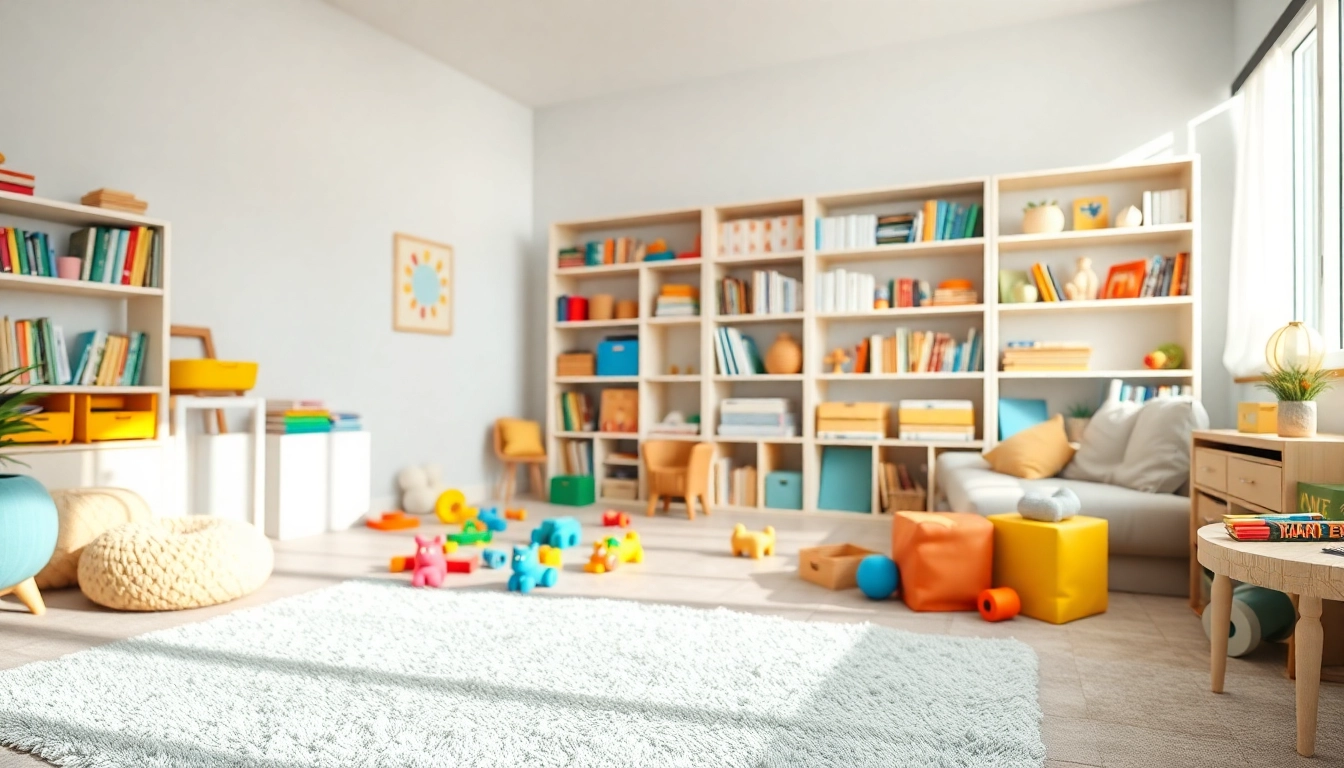
Challenges in Implementing Play Therapy
Addressing Parental Concerns About Play Therapy
Parental involvement is crucial in Play Therapy, yet some parents may harbor concerns regarding its effectiveness or appropriateness. Open communication about the processes and goals of therapy can help alleviate these worries. Educating parents on how Play Therapy works to benefit their child’s emotional health is essential in fostering their support and trust. Engaging parents in periodic updates or feedback can also reinforce their confidence in the therapeutic process.
Common Misconceptions about Play Therapy
Misinformation often surrounds Play Therapy, with some viewing it merely as "playing" without therapeutic intentions. Clarifying that Play Therapy is a structured and goal-oriented process is vital. Unlike recreational play, Play Therapy is laden with purpose, tailored to meet specific emotional or behavioral issues. Through informed discussions, therapists can debunk these myths and highlight the depth of this intervention.
Navigating Limitations in Play Therapy
While Play Therapy holds considerable promise, there are limitations in its application. For example, not all children respond positively, and some may require alternative modalities. Therapists must be adept at identifying when Play Therapy may not be effective and when to consider integrating other therapeutic approaches. Flexibility and adaptability are key traits for therapists navigating these challenges, ensuring that the best interests of the child always come first.
Frequently Asked Questions about Play Therapy
What age is Play Therapy suitable for?
Play Therapy is most effective for children aged 3 to 12 years, though it can be adapted for adolescents and adults in certain scenarios.
How long does Play Therapy typically take?
The duration of Play Therapy varies; typically, it spans several weeks to months with weekly sessions lasting 30 to 50 minutes.
Can Play Therapy be effective for adults?
Yes, while predominantly used for children, Play Therapy techniques can be modified to accommodate adults, especially for those who benefit from non-verbal communication.
What tools are commonly used in Play Therapy?
Common tools include toys, art supplies, puppets, and games, all designed to facilitate expression and exploration of emotions.
Is Play Therapy scientifically proven to work?
Yes, numerous studies support the effectiveness of Play Therapy, particularly in addressing behavioral and emotional issues in children.