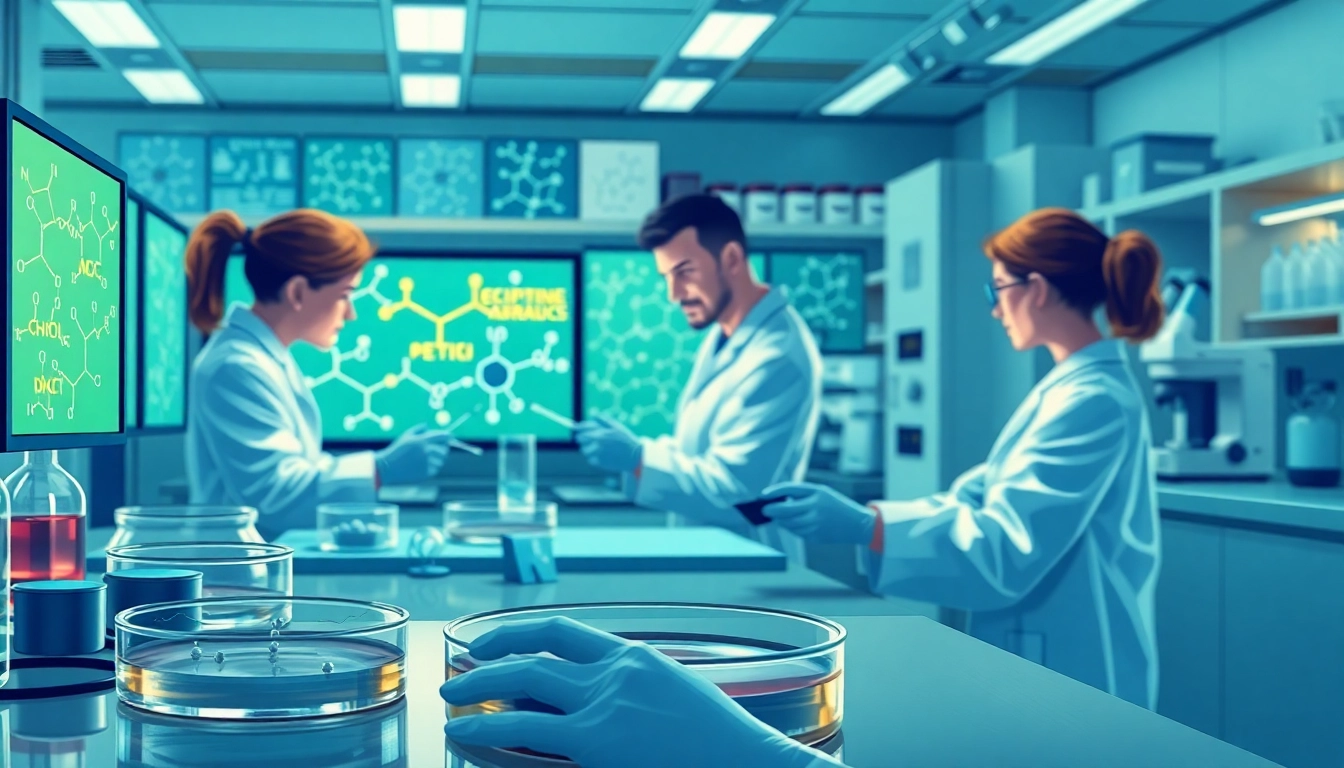
Understanding Peptides: Basics and Applications
What are Peptides?
Peptides are short chains of amino acids linked together by peptide bonds. Typically, these chains contain between two and fifty amino acids, distinguishing them from proteins, which are larger and serve more complex roles in biological systems. The sequence and structure of amino acids in a peptide dictate how it functions within the body. Understanding peptides is crucial for developing therapies in biotechnology and pharmaceuticals. For instance, the mt1 peptide is involved in specific signaling pathways related to growth and metabolism.
Peptide Functions in Biological Systems
Peptides serve various essential roles in biological systems, acting as hormones, neurotransmitters, and signaling molecules. They can regulate physiological functions like metabolism, immune responses, and cell signaling. For example, insulin, a well-known peptide hormone, plays a crucial role in glucose metabolism, illustrating how vital peptides are in maintaining homeostasis in the body. Each peptide's unique sequence of amino acids allows it to bind to specific receptors, triggering a cascade of biological responses that control various bodily functions.
Applications in Medicine and Therapy
The therapeutic potential of peptides has been recognized in numerous fields, including oncology, endocrinology, and immunology. Peptide-based therapies can target specific cellular pathways with greater precision than traditional drugs, potentially resulting in fewer side effects. Leading examples include peptide vaccines for cancer treatment and peptides utilized in hormone replacement therapies. Moreover, ongoing research into the use of peptides for specific conditions, such as Alzheimer's disease and metabolic disorders, continues to expand their applications in modern medicine.
Peptide Synthesis: The Process Explained
Chemical Synthesis Methods
Chemical synthesis, often referred to as solid-phase peptide synthesis (SPPS), is a widely used technique to create peptides. This method allows for the sequential addition of amino acids, building the peptide chain from a solid support. Following synthesis, numerous purification techniques can be employed, including high-performance liquid chromatography (HPLC). The advantage of SPPS is its scalability and the precision with which specific sequences can be synthesized. However, the synthesis of longer peptides can become increasingly complex and expensive.
Biological Synthesis Techniques
Biological synthesis techniques involve using living organisms or biological systems to produce peptides. Methods such as recombinant DNA technology can yield high quantities of specific peptides by inserting the genes encoding those peptides into host cells like bacteria or yeast. This approach allows for the natural folding and post-translational modifications necessary for some peptides to function correctly. The use of biological systems can also result in peptides with added complexity, making them attractive for therapeutic use.
Challenges in Peptide Production
While the demand for peptides in research and therapy continues to grow, several challenges persist in their production. These include the difficulties in synthesizing longer peptides, the risk of peptide degradation, and ensuring the correct folding and post-translational modifications. Additionally, scale-up production processes can be fraught with inconsistencies. Addressing these challenges through advancements in synthetic methodologies and purification processes remains essential for the successful development of peptide-based therapeutics.
Recent Advances in Peptide Research
Innovations in Analytic Techniques
Recent advances in analytical techniques have significantly enhanced our ability to study peptides. Mass spectrometry and nuclear magnetic resonance (NMR) spectroscopy have become vital tools for characterizing peptide structure, composition, and modifications. These methods can provide insights into the dynamics and interactions of peptides in biological systems, paving the way for the development of more effective peptide therapeutics. Moreover, the integration of these technologies aids in accelerating the understanding of peptide behavior in various environments.
Role of Artificial Intelligence in Peptide Discovery
Artificial intelligence (AI) is transforming peptide discovery by providing computational models that predict peptide interactions and functionalities. Machine learning algorithms can analyze vast datasets to identify potential bioactive peptides and optimize their sequences for specific therapeutic targets. As AI continues to evolve, its applications in drug design and discovery are likely to expand, allowing for faster and more efficient development of new peptide-based therapeutics.
Case Studies: Successful Peptide Treatments
Several promising case studies illustrate the success of peptide treatments across various medical fields. For example, the use of glucagon-like peptide-1 (GLP-1) analogs for managing type 2 diabetes showcases the efficacy of peptide-based therapies in metabolic disorders. Additionally, research into antimicrobial peptides has resulted in promising candidates for treating bacterial infections, highlighting their potential as alternatives to traditional antibiotics. These case studies not only provide evidence of therapeutic effectiveness but also underscore the importance of ongoing research in peptide applications.
Path to Regulatory Approval for Peptide Therapeutics
Understanding Clinical Trials
The journey from discovery to clinical application for peptide therapeutics involves rigorous clinical trials to ensure safety and efficacy. Clinical trials typically move through several phases, starting from small-scale safety trials (Phase I) to larger studies assessing efficacy (Phase II and III). Each phase is designed to gather critical data on the peptide's pharmacokinetics, pharmacodynamics, and overall impact on specific diseases before proceeding to market approval.
Regulatory Bodies and Their Role
Regulatory bodies, such as the Food and Drug Administration (FDA) in the United States and the European Medicines Agency (EMA) in Europe, play a critical role in evaluating the safety and effectiveness of peptide therapeutics. These organizations provide guidelines and frameworks that researchers must follow to ensure compliance throughout the development process. Their rigorous evaluation procedures help ensure that new therapies meet the necessary standards before reaching patients.
Challenges Facing New Peptide Drugs
Despite the advances in peptide therapeutics, several challenges persist in gaining regulatory approval. Issues such as the complexity of demonstrating efficacy in clinical settings and the potential for adverse reactions can slow progress. Additionally, economic factors related to the high costs of clinical trials can hinder development. Addressing these challenges requires innovative approaches, including adaptive trial designs and better patient recruitment strategies.
Future Directions in Peptide Research
Emerging Trends in Peptide Applications
As our understanding of peptides expands, new applications continue to emerge. Areas such as targeted drug delivery systems and peptide-based imaging agents are gaining traction. Furthermore, the exploration of peptides in gene therapy and regenerative medicine presents exciting possibilities for treating previously untreatable conditions. These emerging trends highlight the versatility of peptides and their potential in shaping future therapeutic landscapes.
The Impact of Genetic Research
Advancements in genetic research are influencing peptide development significantly. The ability to edit genes using technologies like CRISPR/Cas9 is enabling more personalized approaches to peptide therapies. This could result in the tailored design of peptides that are specific to an individual's genetic makeup, leading to enhanced efficacy in treatments. Moreover, understanding gene expression patterns can provide insights into the development of novel peptides for specific therapeutic targets.
Collaboration and Interdisciplinary Approaches
Collaboration across scientific disciplines is becoming increasingly essential in peptide research. By integrating expertise from fields such as biochemistry, molecular biology, and computational science, researchers can design more effective and innovative peptide-based therapies. Interdisciplinary approaches foster creativity and problem-solving capabilities, ultimately accelerating the pace of discovery and development in peptide research.
FAQs
What are the main benefits of peptides in medicine?
Peptides can target specific cells in the body, offering potential treatments for various diseases with fewer side effects, making them versatile therapeutic agents.
How are peptides synthesized for research?
Peptides are synthesized using either chemical methods, like solid-phase synthesis, or biological techniques with living organisms, tailored for specific applications.
What is the role of peptides in drug development?
Peptides serve as the foundation for many new drug candidates, particularly in treating conditions like cancer and metabolic disorders, showing promise in clinical outcomes.
Are there risks associated with peptide therapies?
Like all treatments, peptide therapies can have side effects. Proper monitoring and testing are crucial to ensure patient safety and minimize adverse reactions.
How do peptides influence physiological processes?
Peptides act as signaling molecules in the body, influencing essential processes, including immune responses and hormone regulation, vital for maintaining health.