
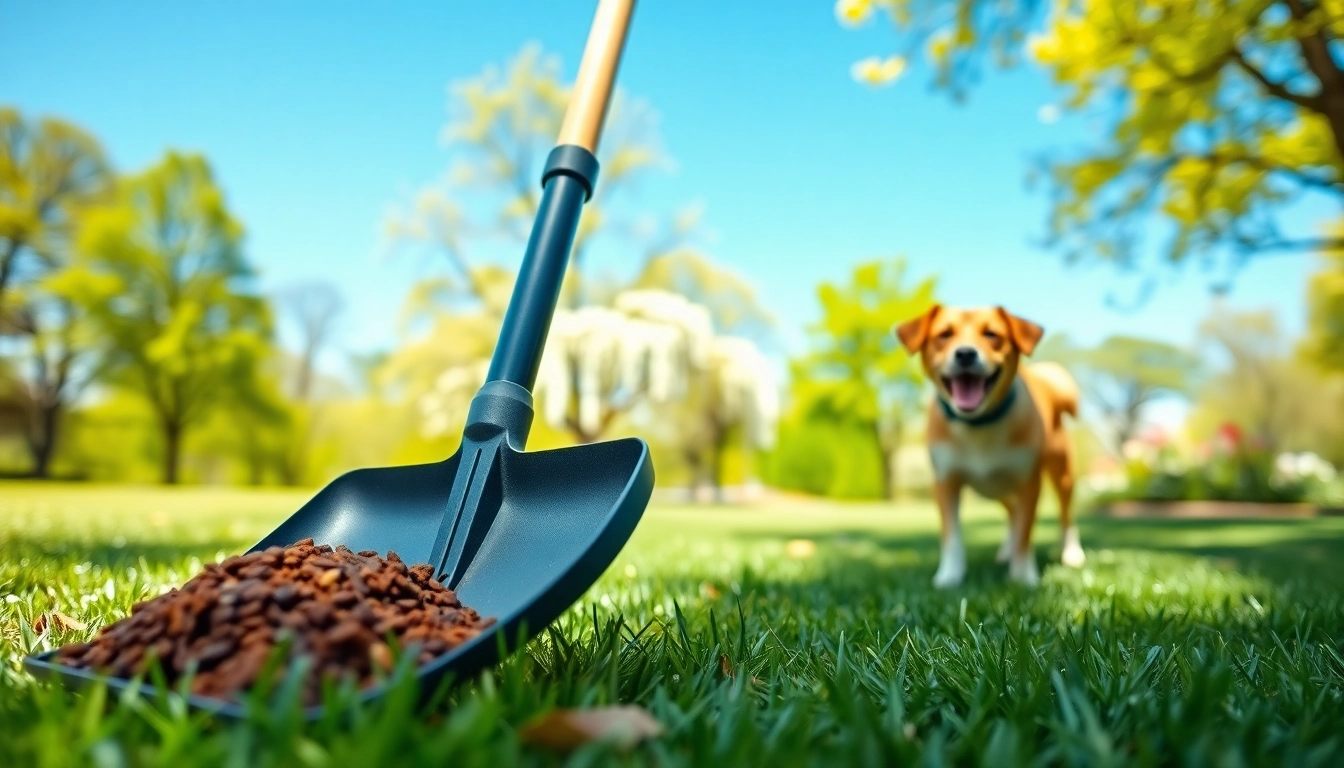
Understanding the Importance of a Dog Poop Scooper
Why Every Dog Owner Needs One
Owning a dog is a rewarding experience, but it also comes with responsibilities—one of which is cleaning up after your furry friend. A dog poop scooper is an essential tool that simplifies this often unpleasant task. By using a scooper, you maintain a clean environment for both your dog and your family, showing respect for your neighbors and the community. Understanding the importance of a scooper goes beyond convenience; it involves awareness of hygiene and environmental impact.
Environmental Impacts of Dog Waste
Dog waste isn’t just an eyesore; it poses significant environmental hazards. When left outdoors, fecal matter can leach harmful bacteria and parasites into the soil and waterways, degrading the quality of local ecosystems. Additionally, it contributes to the pollution of urban environments. By utilizing a dog poop scooper, pet owners can lessen their ecological footprint and promote cleaner public spaces.
Health Benefits for You and Your Dog
Not only does cleaning up waste protect the environment, but it also safeguards your health and the health of your dog. Dog feces can carry parasites such as roundworms and giardia, which can affect pets and humans alike. Regularly disposing of waste with a dog poop scooper reduces the risk of these health issues, ensuring better well-being for all household members.
Types of Dog Poop Scoopers on the Market
Manual Scoopers: Pros and Cons
Manual dog poop scoopers are simple to use and often affordable. They typically consist of a scooping mechanism coupled with a long handle to minimize bending. The pros of manual scoopers include their lightweight nature and ease of use. However, they may require more physical effort, especially for larger breeds or multiple dogs. Furthermore, depending on design, they may not always capture waste effectively on the first try.
Automatic and Electric Scoopers Explained
For tech-savvy pet owners, automatic or electric dog poop scoopers can be a game changer. These devices often feature sensors and mechanical capabilities to detect, scoop, and sometimes even dispose of waste automatically. While they are more expensive and require charging or batteries, they significantly reduce the manual labor involved in cleaning up. However, potential challenges include performance in all weather conditions and the initial investment cost.
Comparing Materials: Plastic vs. Metal
When it comes to the materials used in dog poop scoopers, plastic and metal each offer distinct advantages and drawbacks. Plastic scoopers are lightweight, rust-proof, and easily cleaned, but they may not be as durable over time, especially if exposed to harsh weather conditions. Conversely, metal scoopers tend to be more robust and longer-lasting but can be heavier and susceptible to rust if not properly maintained. Assessing your specific needs will guide you in choosing the right material for your scooper.
How to Choose the Best Dog Poop Scooper
Features to Consider Before Buying
When selecting a dog poop scooper, consider features such as length, weight, durability, and ease of cleaning. A longer handle can reduce bending over, while a lightweight design may be more comfortable for extended use. Additionally, look for models with a design that allows for easy disposal of waste without mess. A scoop with an adjustable size can be versatile for dogs of various sizes.
Matching Scooper to Dog Size and Breed
It's crucial to match your scooper to your dog’s size and breed. Larger dogs produce more waste, requiring a sturdy and larger scooper designed to handle that volume effectively. Conversely, if you have smaller breeds, a standard-sized scooper may suffice. Consider the frequency of use and your dog’s behavior; a scooper that is easy to operate can make the cleanup process much smoother.
Budget-Friendly Options Without Compromise
A quality dog poop scooper doesn’t need to break the bank. Budget-friendly options are available that provide excellent functionality without sacrificing quality. Look for scoopers that have good reviews and check out user-favorite models which offer solid performance while being easy on the wallet. Investing in the right scooper can save you time and hassle in the long run.
Best Practices for Using a Dog Poop Scooper
Techniques for Efficient Cleanup
Efficiently cleaning up after your dog involves using the scooper correctly. Start by positioning the scooper behind the waste, and use a swift scooping motion to capture it. Make sure to continue to pressure down on the handle to ensure all waste is collected. Practice this technique to make your cleanup process quicker and easier, especially if you manage multiple dogs.
Scheduling Regular Cleanings
Regularly scheduled cleanings can help maintain a cleaner yard or park. Establish a routine for picking up waste daily, especially in areas where dogs frequently relieve themselves. This practice not only keeps your environment cleaner but also prevents the accumulation of waste, which can become a breeding ground for bacteria and pests.
Disposing of Waste Responsibly
The proper disposal of dog waste is just as crucial as the cleanup itself. Many communities provide designated waste bins specifically for dog feces. If no such bins are available, consider collecting the waste in biodegradable bags to minimize environmental impact. Ensuring waste is disposed of properly contributes to a healthier community and is an important responsibility for dog owners.
Maintaining Your Dog Poop Scooper
Cleaning and Sanitizing Your Scooper
Regular maintenance of your dog poop scooper will extend its lifespan and improve sanitation. After each use, wash your scooper with warm, soapy water and rinse thoroughly to eliminate bacteria. For deeper cleaning, consider using vinegar or a mild disinfectant capable of killing germs without harming the environment.
Storage Tips for Long-lasting Use
To maintain the quality of your dog poop scooper, store it in a clean, dry place away from direct sunlight and harsh elements. Consider hanging it or using a storage bin to prevent rusting or damage. Keeping your scooper in good condition will ensure that it remains effective for as long as possible.
When to Replace Your Dog Poop Scooper
Over time, wear and tear can affect the performance of your dog poop scooper. Signs that it may need replacement include cracks in the handle or scoop, difficulty closing the scooper, or if it is no longer effectively collecting waste. Regularly assessing the condition of your scooper will help you make timely replacements to keep cleaning efficient.
Frequently Asked Questions
1. How often should I clean my dog poop scooper?
It’s best to clean your scooper after each use to prevent bacterial buildup and odors.
2. Can I use regular bags with my scooper?
While you can use regular plastic bags, biodegradable bags are more environmentally friendly and recommended for waste disposal.
3. Are automatic scoopers worth the investment?
Automatic scoopers can save time and effort, making them a great option for busy pet owners or larger dog owners.
4. How can I teach my dog to go in one spot?
Consistently directing your dog to a specific area and rewarding them can help establish a preferred spot for waste.
5. What should I do if my dog refuses to use the scooper area?
Be patient and try to lead them to the area using treats. Reinforce positive behavior when they comply.