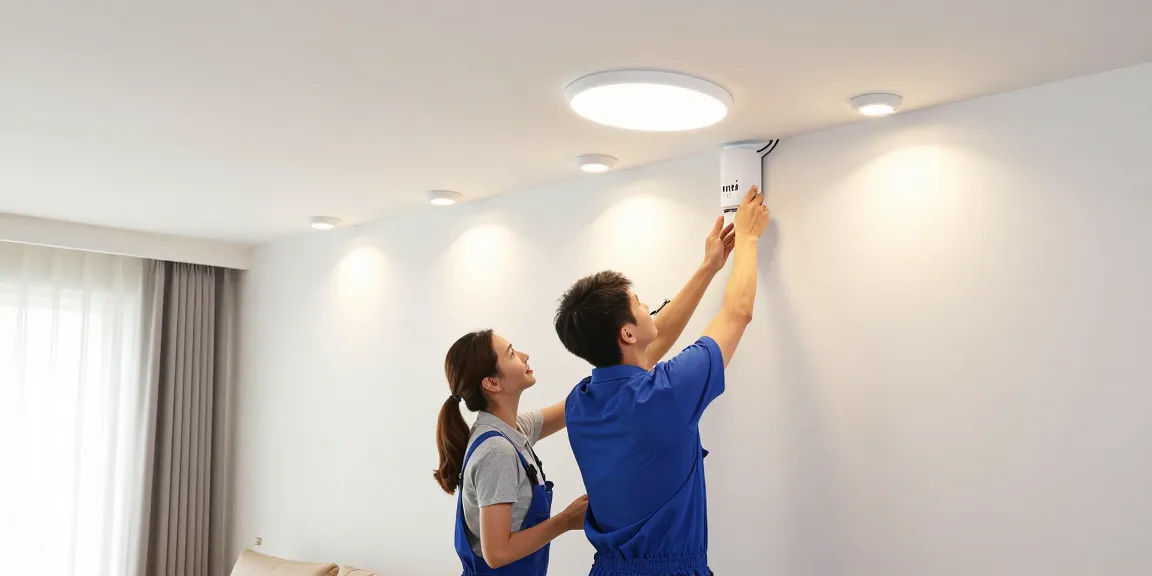
Understanding Solar Panel Repair: An Overview
Solar panel systems are known for their durability and long lifespan, yet they can occasionally require attention to maintain peak performance. Understanding solar panel repair processes can save homeowners from costly replacements and ensure consistent energy generation. This article delves deep into the key aspects of solar panel repair, including common issues, how to identify when repairs are needed, and the processes involved in maintenance.
What is Solar Panel Repair?
Solar panel repair refers to the processes involved in diagnosing and fixing malfunctions in solar energy systems. Whether it's addressing performance drops, physical damage, or technical failures, repair works aim to restore the efficiency and functionality of the solar setup. Technicians utilize a variety of strategies ranging from simple cleaning and alignment adjustments to complex electrical repairs.
Common Reasons for Solar Panel Repairs
Several factors can necessitate solar panel repairs. Key issues include:
- Physical Damage: Hail, debris, or other external factors can lead to cracked panels or damaged components.
- Electrical Problems: Issues with wiring or converters can impact the electricity flow. Faulty inverters are often a common culprit.
- Wear and Tear: Over time, solar panels may degrade, leading to diminished performance.
- Environmental Impact: Accumulated debris, dirt, or even bird droppings can obstruct sunlight, reducing energy output.
The Importance of Timely Repairs
Timely repairs can have significant benefits. Delaying minor repairs can lead to larger, more expensive issues down the line. Regular maintenance not only prolongs the lifespan of solar panels but also enhances overall energy efficiency, which ultimately leads to lower energy bills. Addressing repairs promptly can also ensure compliance with any warranties or service agreements.
Identifying Signs That Your Solar Panels Need Repair
Detecting issues early is essential for maintaining your solar system's efficiency. Here are common indicators that your solar panels may need repair:
Performance Issues: Low Energy Production
A significant drop in energy production compared to previous periods can be a clear sign of a problem. Monitoring systems often provide insights into performance, making it easier to identify dips that signal the need for repair.
Visible Damage: Cracks and Wear
Physical inspections can reveal visible issues such as cracks, discoloration, or wear on the panels. Regular checks, especially after harsh weather events, can help catch these problems early.
Error Indicators: Monitoring System Alerts
Most modern solar systems come equipped with monitoring technology that can detect electrical issues or faults. Notifications and alerts from these systems should not be ignored as they are often the first indication of a fault.
The Solar Panel Repair Process: Steps to Follow
Repairing solar panels involves a structured process to ensure thorough and effective solutions.
Step 1: Diagnose the Problem
The first step in any solar panel repair involves accurately diagnosing the issue. Technicians will analyze output data, check for physical damage, and inspect the electrical components to determine the root cause of the problem.
Step 2: Assess Warranty and Service Options
Before proceeding with repairs, it’s important to review any warranties that may be in effect. Many installations come with warranties that cover certain repairs. Understanding these terms can save costs and enable access to professional services.
Step 3: Execute Repairs or Replacement
Once the issue is diagnosed and warranty check is done, the technician will then either repair the affected components or suggest replacements. This may include fixing wiring, replacing inverters, or even performing comprehensive panel replacements for severely damaged systems.
Best Practices for Maintaining Your Solar Panels
Regular maintenance can significantly reduce the likelihood of needing repairs and help ensure the continued efficiency of your solar energy system. Here are some recommended practices:
Regular Cleaning and Inspections
Cleaning your solar panels periodically can greatly enhance performance. Dust, dirt, and debris can block sunlight, reducing energy production. Inspections should also be scheduled, particularly after severe weather, to ensure no physical damage has occurred.
Addressing Minor Repairs Promptly
Ignoring minor issues can lead to more significant problems. Any signs of wear including discoloration, cracking, or electrical faults should be assessed and rectified quickly.
Utilizing Professional Services
While some minor repairs can be handled as DIY projects, many situations call for professional intervention. Licensed technicians can provide knowledgeable repair services that ensure safety compliance and effective results.
FAQs About Solar Panel Repair
1. What are the signs that indicate I need solar panel repair?
Look for low energy production, visible damages, and alerts from monitoring systems as key indicators.
2. How much does solar panel repair typically cost?
The cost can vary widely ranging from $120 to $3,000 depending on the nature of the repairs needed.
3. Can I repair solar panels myself?
While minor issues may be manageable as DIY fixes, professional assistance is recommended for safety and effectiveness.
4. How often should I inspect my solar panels?
A minimum of twice a year, plus after severe weather, is advisable for optimal performance and damage identification.
5. What warranties cover solar panel repairs?
Most solar panel installations are covered by warranties. It's essential to review your agreement for specific coverage details.