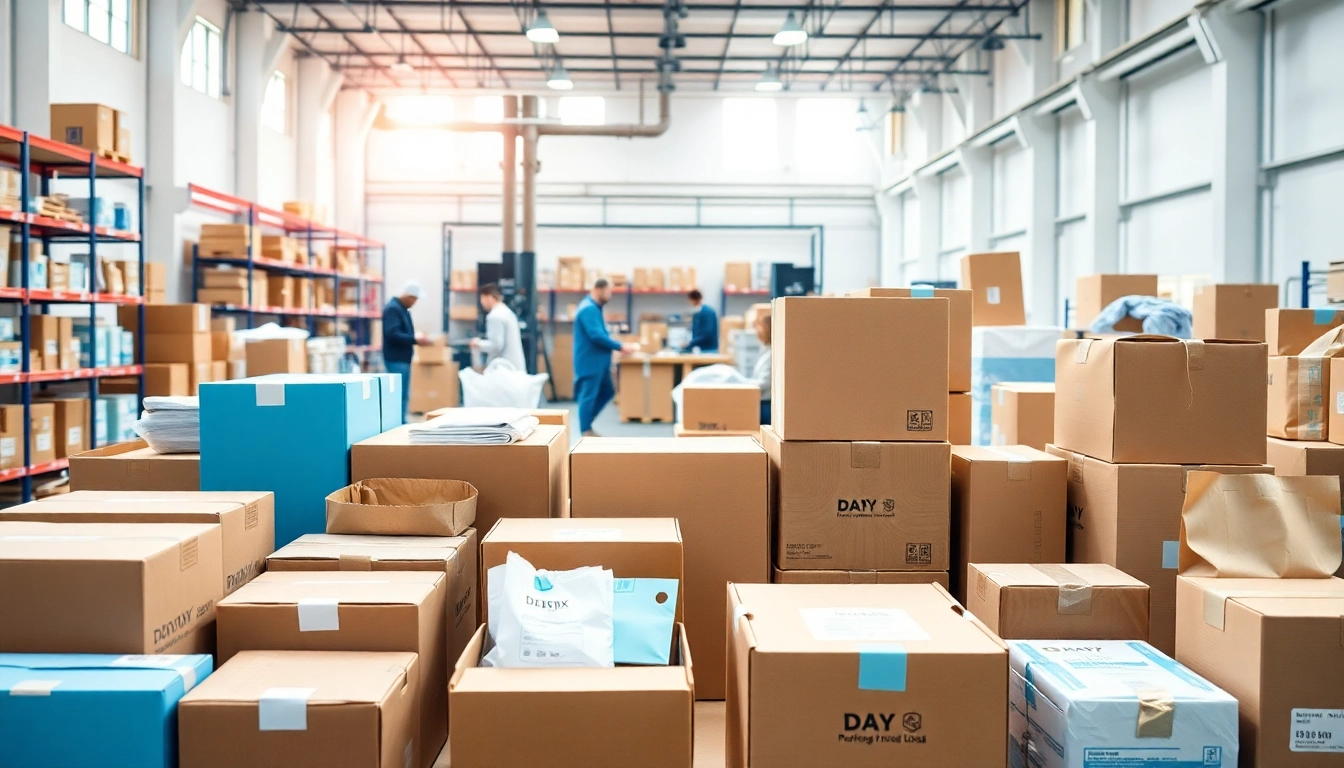
Understanding Product Packaging Services
Product packaging services encompass a diverse range of offerings aimed at protecting and promoting products throughout the supply chain. These services are crucial for businesses looking to enhance brand identity, ensure product safety, and improve customer satisfaction. With a well-executed product packaging services strategy, companies can differentiate themselves in a competitive market, streamline operations, and ultimately, elevate their bottom line.
What Are Product Packaging Services?
Product packaging services refer to the design, material selection, and implementation of packaging solutions that ensure products arrive safely to consumers, while also conveying the brand's message. The objective is not only to protect the product but also to engage and inform customers, potentially increasing sales through effective design and functionality.
The Importance of Effective Packaging
Effective packaging serves many critical functions. It safeguards products from damage during transportation and storage, ensures compliance with legal standards, and reflects the brand's identity. Good packaging can also drive customer decisions; attractive designs can draw attention and enhance the overall user experience. Given the rapid growth in e-commerce, it has never been more important for brands to invest in high-quality packaging that communicates value and reliability.
Types of Packaging Options Available
Different products require different packaging solutions based on their specific needs. The main categories include:
- Primary Packaging: The immediate container that holds the product, e.g., a bottle or box.
- Secondary Packaging: Outer packaging that groups multiple primary packages, such as cartons or shrink wrap.
- Tertiary Packaging: Bulk storage and handling packaging, often used for transport, like pallets and containers.
- Flexible Packaging: Bags and pouches that adapt to the product's shape, often used for snacks and perishable items.
- Rigid Packaging: Containers that maintain their shape, such as glass jars or plastic bottles.
Choosing the Right Packaging Materials
Selecting suitable materials for packaging is vital. The right choice can enhance product durability, sustainability, and cost-effectiveness. Here, we delve into some essential considerations for making informed decisions.
Common Materials Used in Product Packaging
Businesses utilize a variety of materials that can be categorized based on their properties:
- Paper and Cardboard: Versatile and recyclable, used for boxes and wraps.
- Plastic: Lightweight and durable, available in various forms such as PET and HDPE.
- Glass: Offers excellent preservation for products like food and beverages but is heavier and breakable.
- Metal: Often used for cans and packaging requiring durability and resistance to elements.
Factors Influencing Material Selection
Choosing the right packaging material involves multiple factors, including:
- Product Characteristics: The material must suit the product’s physical and chemical properties.
- Cost: Budget constraints can dictate material choices, balancing quality and affordability.
- Environmental Impact: More consumers are preferring sustainable packaging solutions, urging companies to rethink their choices.
- Regulatory Requirements: Certain products, particularly in food and pharmaceuticals, must adhere to strict packaging guidelines.
Sustainable Packaging Alternatives
As environmental concerns grow, sustainable packaging has gained prominence. Options include biodegradable materials, recyclable packaging, and the use of post-consumer recycled content. Companies are innovating to reduce their carbon footprint, adopting practices such as minimalistic packaging and reusable solutions that resonate with eco-conscious consumers.
Designing Packaging That Stands Out
Effective packaging design is not merely about aesthetics; it also involves functionality and user experience. Here’s how to ensure that packaging effectively communicates a brand’s message and values.
Elements of Effective Packaging Design
When designing packaging, consider incorporating the following elements:
- Color and Graphics: Colors influence consumer emotions and can lead to brand recognition.
- Typography: Fonts should be legible and reflect the brand personality.
- Functionality: Packaging must be easy to open, dispense, and reuse where applicable.
- Information: Clear labeling of ingredients, usage, and safety information is crucial for consumer trust.
Using Branding in Your Packaging
Branding through packaging involves using visual elements consistently to build recognition. This includes incorporating brand colors, logos, and messaging. Cohesive branding enhances brand loyalty and fosters emotional connections with consumers.
Trends in Packaging Design
The packaging industry is continuously evolving; current trends reflect consumer preferences:
- Minimalism: Simple designs focusing on essential messages are gaining traction.
- Interactive Packaging: Technology-driven packaging that engages consumers, such as QR codes for digital interaction.
- Smart Packaging: Enhancements such as freshness indicators and tamper-evident features cater to the safety-conscious consumer.
- Personalization: Customized packaging that reflects individual consumer preferences is becoming more common.
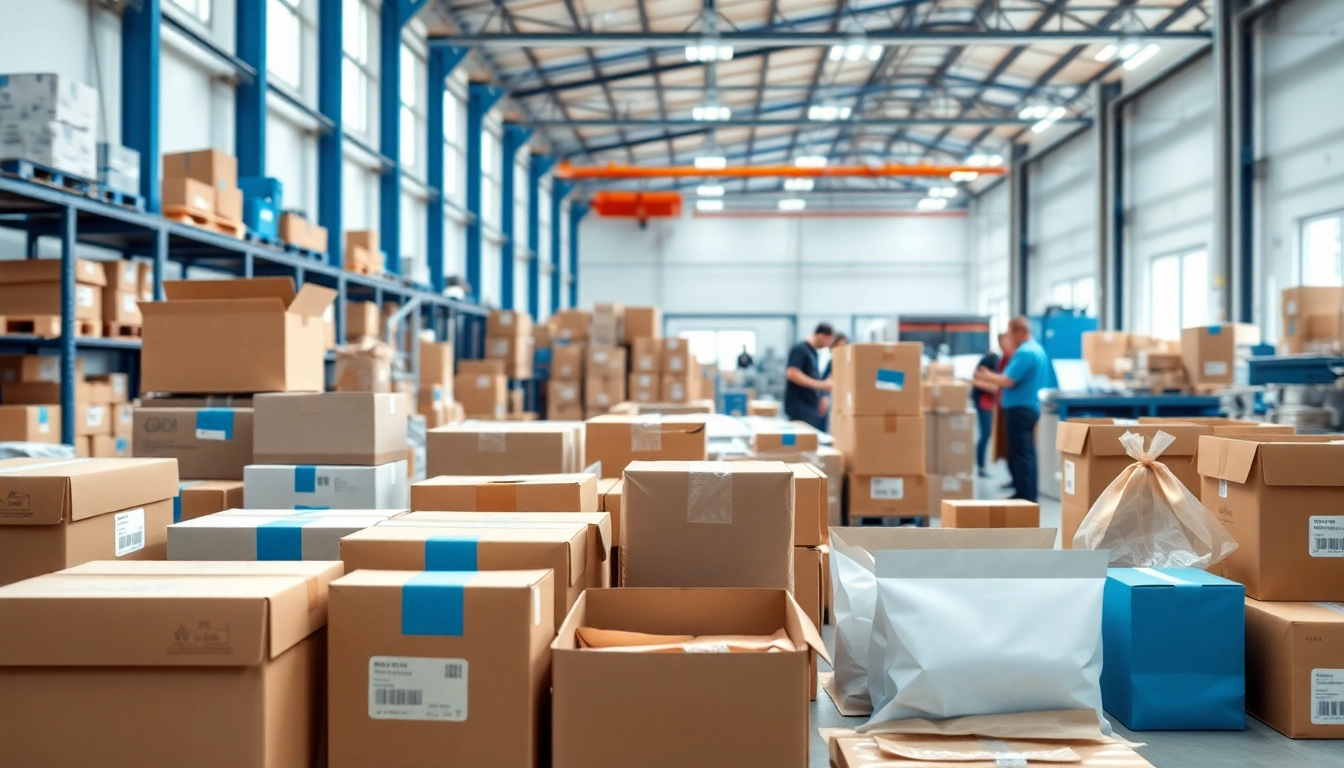
Cost Considerations for Product Packaging Services
Understanding the financial aspects of packaging can help businesses make strategic decisions that balance cost with quality. Here’s what you need to know.
Budgeting for Packaging Solutions
Creating a packaging budget involves evaluating all associated costs: materials, design, production, and distribution. Companies should also consider potential long-term savings from investing in sustainable options, as they can reduce waste disposal costs over time.
Finding Cost-Effective Suppliers
Partnering with reliable suppliers can greatly influence packaging costs. It’s essential to compare quotes, assess supplier capabilities, and evaluate quality. Building long-term relationships with suppliers can often result in better pricing and priority service.
Cost vs. Quality: Striking the Right Balance
While it might be tempting to opt for the cheapest options, compromising on quality can lead to higher costs down the line due to product damage or poor consumer experiences. Therefore, businesses should conduct thorough research and prioritize quality that aligns with their brand values and customer expectations.
Measuring the Success of Your Packaging
Once packaging strategies are implemented, measuring their effectiveness is vital. Business decisions should be driven by data and customer feedback.
Key Performance Indicators for Packaging
Relevant KPIs to monitor include:
- Sales Volume: Analyze sales before and after implementing new packaging.
- Damage Rates: Track the rate of damaged goods to assess packaging effectiveness.
- Customer Feedback: Use surveys and reviews to gather insights on consumer perceptions of packaging.
- Return Rates: High returns may indicate issues with packaging or product dissatisfaction.
Feedback and Customer Satisfaction
Engaging customers for their opinion can provide invaluable insights. Positive feedback can enhance brand loyalty while negative feedback highlights areas for improvement. Utilizing platforms to analyze trends in customer sentiment can guide future packaging decisions.
Adjusting Strategies Based on Results
Using analytics and feedback, businesses should be prepared to adjust their packaging strategies. Continuous improvement is key to maintaining relevance and appeal in a rapidly changing market. For instance, if customers express a preference for more sustainable options, brands can adapt their materials accordingly.
FAQs
What are product packaging services?
Product packaging services include designing, creating, and implementing packaging solutions to protect products and enhance brand marketing.
Why is packaging important for my business?
Packaging plays crucial roles in product protection, brand recognition, and consumer satisfaction, significantly impacting sales and customer loyalty.
What types of materials are common in packaging?
Common materials include paper, cardboard, plastic, glass, and metal, each selected based on product needs and sustainability goals.
How do I choose the right packaging design?
Consider your brand identity, product characteristics, target audience preferences, and functionality to design effective packaging.
How can I measure the success of packaging?
Measure success through KPIs such as sales volume, customer feedback, damage rates, and return rates to evaluate packaging effectiveness.