Understanding Bed Bugs
What are Bed Bugs?
Bed bugs are small, parasitic insects that belong to the Cimex genus, specifically Cimex lectularius. They are notorious for their ability to feast on human blood during the night, often going unnoticed by their hosts until significant infestations have occurred. Adult bed bugs are about the size of an apple seed, with a flat, oval shape that allows them to hide in various crevices such as mattress seams, baseboards, and even behind wallpaper. Their coloration can range from reddish-brown to a deeper brown as they become engorged with blood.
Common Signs of Infestation
Identifying an infestation early can make remediation far easier. Common signs of a bed bug infestation include:
- Red or brown spots: These are typically blood stains left behind after a bed bug has fed.
- Molted skins: As bed bugs grow, they shed their exoskeletons, which can be found in hiding places.
- Live bed bugs: Spotting adults, nymphs, or eggs can confirm an infestation.
- Itchy bites: Guests may wake up with bite marks, often in clusters or straight lines on the skin.
Health Risks Associated with Bed Bugs
While bed bugs are not known to transmit diseases, their bites can lead to various health issues, including skin infections from scratching. The psychological impact of a bed bug infestation can also be considerable, with anxiety, insomnia, and emotional distress being common among those affected. It's crucial to address bed bug problems promptly not just for comfort, but also for overall wellbeing.
The Role of Bed Bug Exterminators
What Do Bed Bug Exterminators Do?
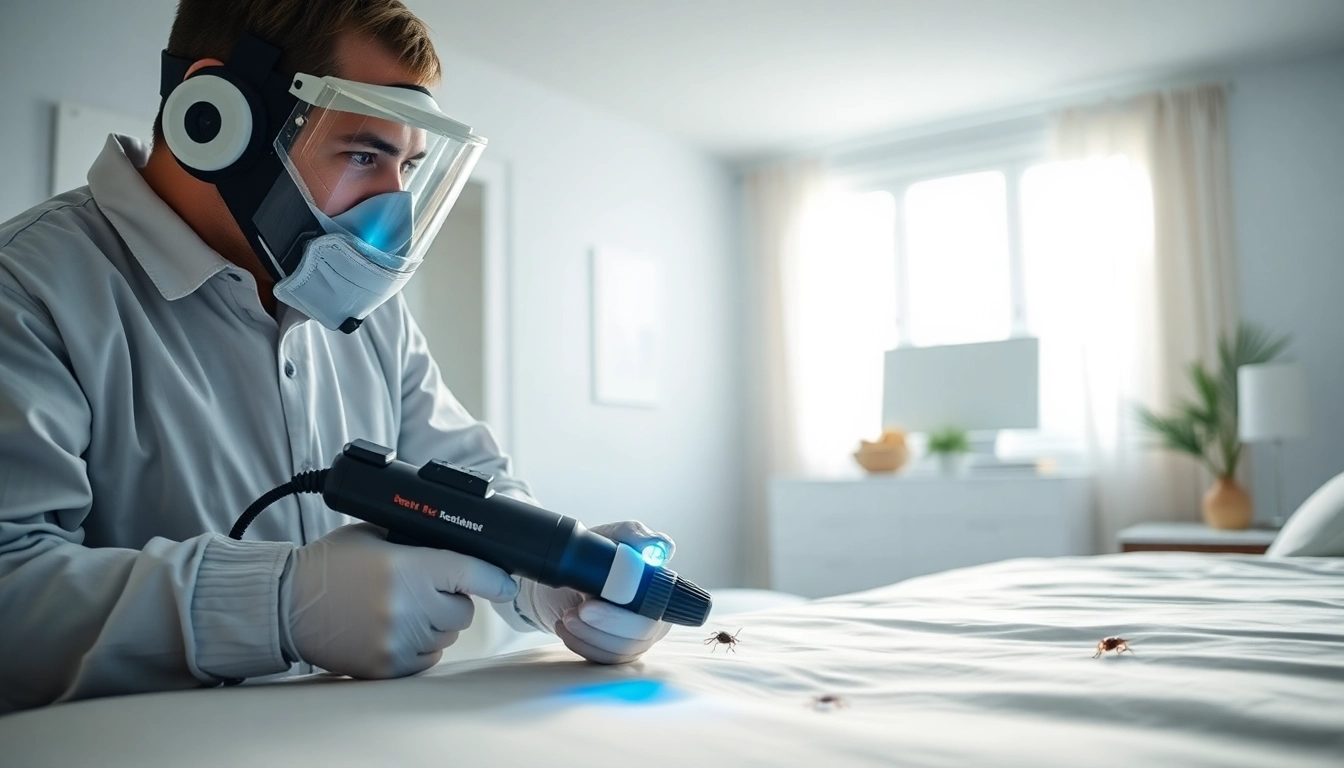
Bed bug exterminators specialize in identifying, treating, and preventing bed bug infestations. Their first step typically involves a thorough inspection to locate all potential hiding spots and determine the severity of the infestation. Following this, they will develop a tailored treatment plan that may include heat treatments, chemical treatments, or a combination of both. Expert exterminators have access to tools and chemicals that are not available to the average consumer, enhancing their effectiveness in eliminating bed bugs.
Benefits of Hiring Professionals
Hiring professionals, specifically bed bug exterminators, offers numerous advantages:
- Expertise: They possess specialized knowledge about bed bug behavior and treatment methods.
- Efficiency: Their equipment and techniques can eliminate bed bugs more effectively than most DIY methods.
- Long-term solutions: Professionals not only treat existing problems but also offer guidance on preventing future infestations.
Understanding the Treatment Process
The treatment process usually unfolds in several stages. Initial inspections are critical and may involve the use of trained dogs to detect bed bugs. Once confirmed, exterminators may utilize a combination of methods such as:
- Heat treatments: Raising the temperature of affected areas to a level lethal to bed bugs.
- Chemical treatments: Applying insecticides designed specifically for bed bugs, ensuring proper application to minimize health risks and protect the environment.
- Follow-up visits: After initial treatment, exterminators may schedule follow-ups to ensure that the infestation has been fully resolved.
DIY vs. Professional Treatment
When Should You DIY?
Some homeowners may opt for DIY methods, especially if they catch the infestation early or if it appears minor. DIY solutions may include using sprays available in stores, washing infested fabrics in hot water, or employing bed bug traps. However, these methods often lack the comprehensive approach needed for severe infestations.
Limitations of DIY Approaches
While DIY methods may work in some cases, they come with significant limitations:
- Incomplete elimination: DIY treatments often fail to address eggs or hidden populations, leading to a resurgence of bed bugs.
- Time-consuming: Identifying all infested areas can be challenging and take considerable effort.
- Potential health risks: Improper use of chemicals can pose risks to health and the environment if not managed safely.
Cost-Effectiveness of Professional Services
Initially, hiring exterminators may seem more expensive than handling the problem independently. However, considering the long-term costs associated with repeated infestations, damage to property, and health concerns, professional services are often more cost-effective. A typical treatment from experts ensures a comprehensive approach, potentially saving homeowners money in the long run.
Choosing the Right Bed Bug Exterminators
What to Look For in Exterminators?
When searching for the right bed bug exterminators, consider the following factors:
- Experience: Look for companies with a proven track record in effectively handling bed bug infestations.
- Certifications: Ensure the exterminators hold appropriate licenses and certifications, indicating they meet industry standards.
- Methods used: Inquire about their treatment methods to ensure they employ safe and effective techniques.
- Reviews and testimonials: Check online reviews or ask for referrals to gauge customer satisfaction.
Questions to Ask Before Hiring
Before hiring bed bug exterminators, consider asking the following questions:
- What is your approach to treating bed bugs?
- Do you provide a warranty for your services?
- How long will the treatment take, and will there be a follow-up?
- What precautions do you recommend post-treatment?
Understanding Rates and Services
Rates for bed bug extermination services can vary widely based on factors like location, severity of the infestation, and methods used. Typically, expect to pay anywhere from a few hundred to over a thousand dollars, depending on the extent of the problem. Ensure you receive a detailed service quote before work begins, covering treatment, preparation, and follow-up visits.
Preventing Future Infestations
Best Practices for Homeowners
To prevent future bed bug infestations, homeowners can adopt several best practices:
- Regular inspections: Frequently check common hiding spots, especially after traveling or bringing in used furniture.
- Seal cracks and crevices: Caulking potential entry points helps reduce hiding spaces for bed bugs.
- Encasements: Use bed bug-proof encasements for mattresses and box springs to trap any existing bugs and prevent new infestations.
Seasonal Tips for Bed Bug Prevention
Seasonal fluctuations can affect bed bug activity. In warmer months, for instance, they may be more prevalent due to increased travel. Consider implementing preventive measures during peak seasons, like inspecting belongings before bringing them indoors after a trip.
Resources for Ongoing Education
Staying informed about bed bug trends and treatment options is vital for prevention. Educational resources from pest control organizations, public health departments, and community workshops can provide valuable insights. Regularly check for updates to understand the best practices in pest management.
Frequently Asked Questions
Are bed bugs dangerous to my health?
Bed bugs are not known to transmit diseases, but their bites can lead to itching and potential skin infections from excessive scratching.
How can I tell if I have a bed bug problem?
Look for signs like blood spots on bedding, shed skins, live bugs, and itchy bites. Regular inspections can also help identify infestations early.
How much does professional bed bug treatment cost?
The cost varies based on the severity of the infestation and treatment methods but generally ranges from several hundred to more than a thousand dollars.
How long does it take to get rid of bed bugs?
Most professional treatments provide immediate results, but it can take several weeks to ensure all stages of bed bugs are eradicated completely.
What should I do after treatment?
Follow your exterminator's guidelines, which may include laundering bedding, vacuuming regularly, and avoiding re-introducing potential sources of infestation.