Understanding Soft Foam Building Blocks
What are Soft Foam Building Blocks?
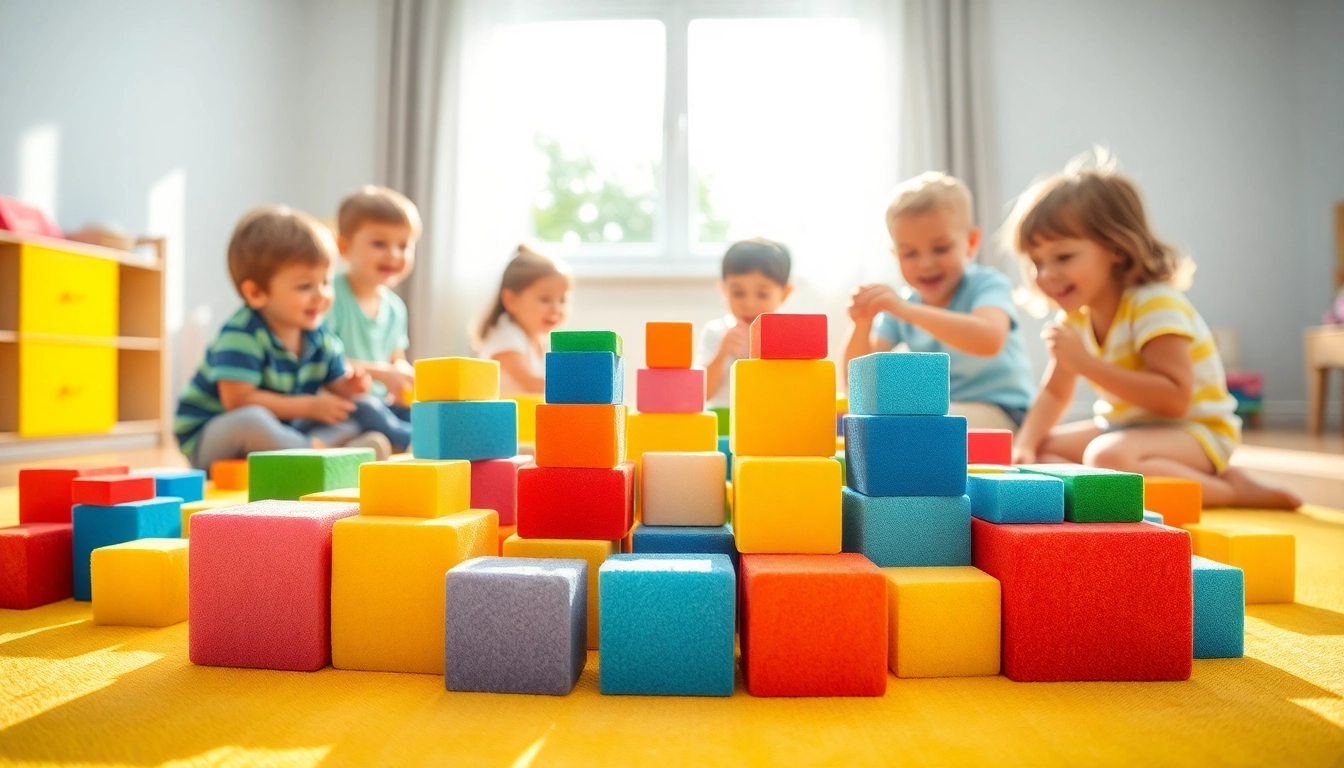
Soft foam building blocks are versatile, lightweight, and cushioned toys made from soft foam materials, which allow for safe and creative construction play. Unlike traditional wooden or plastic blocks, these foam blocks are designed to reduce the risk of injury, making them ideal for young children. Their colorful designs and various shapes encourage imaginative play and are accessible for kids of all ages and abilities.
Benefits of Using Soft Foam Blocks
There are numerous benefits to incorporating soft foam blocks into playtime. First and foremost, safety is a key advantage; they are designed to be soft and squishy, minimizing the risk of bumps or bruises. Moreover, foam blocks foster creativity, allowing children to construct buildings, vehicles, or any imaginative object they envision. The lightweight nature of these blocks promotes physical activities, enhancing motor skills and coordination.
In addition, soft foam building blocks encourage social interaction. As kids work together on building projects, they develop collaborative skills, such as sharing and teamwork. This not only enhances their communication but also influences their emotional intelligence as they express their ideas and negotiate roles during playtime. For more insights on selecting the right blocks for children, read more here.
Choosing the Right Soft Foam Blocks
When selecting soft foam blocks, various factors must be considered to ensure the best match for your child's needs. Look for blocks that are made of non-toxic materials, as safety is paramount. Additionally, consider the size and weight of the blocks; lightweight options are more manageable for young children, while larger blocks may encourage more complex building projects.
The shape and design of the blocks are also crucial. Sets that include a mix of shapes and colors can spark creativity and provide a more robust building experience. Lastly, durability is essential; ensure the foam blocks are robust enough to withstand the rigors of play, as some might wear out more quickly than others.
Creative Play Ideas with Soft Foam Blocks
Inspiring Imagination and Role-Playing
Soft foam blocks can be used in various innovative ways to stimulate children's imaginations. One idea is to create themed environments for role-playing. For instance, children can build a castle, spaceship, or farm using blocks to construct varying structures. They can further integrate props such as dolls or action figures to enhance the experience, leading to engaging storytelling and dramatic play scenarios.
Moreover, integrating different colors to represent various elements can add to the play value. For example, green blocks can symbolize trees, while blue blocks can portray water bodies. These imaginative plays can encourage children to create narratives, enhancing their verbal skills and creativity.
Team Building Activities for Young Kids
Soft foam blocks serve as excellent tools for fostering teamwork among young children. Group building activities can be organized where children collaborate on building tasks, such as constructing a bridge or a tall tower. This not only cultivates social skills but also teaches them the importance of cooperation.
By assigning roles, such as block gatherer or designer, children can learn delegation and communication skills while having fun. Incorporating challenges, like who can build the tallest structure in a limited time, can also promote healthy competition and creativity as they brainstorm various designs separately and come together to execute them.
Fun Building Challenges and Competitions
Enhance the excitement of foam block play by introducing building challenges. These could include themed competitions where kids must construct specific objects or complete tasks within a specified time frame. For example, you might host a “Great Tower Challenge,” where children aim to build the tallest stable tower within 15 minutes. The focus will not only be on creativity but also on structural integrity.
In addition, consider integrating learning objectives into these challenges. For instance, have them design a structure that can hold a specific weight, encouraging them to think critically about balance and stability, thereby merging education with fun.
Safety Considerations When Playing with Building Blocks
Non-Toxic Materials and Child Safety
When it comes to safe play with soft foam blocks, material matters significantly. Parents should ensure that the foam used is non-toxic and safe for children. Many reputable manufacturers provide certifications reflecting safety standards, so it's wise to check for these labels. Another aspect to consider is the absence of small parts or sharp edges, which could pose choking hazards.
Furthermore, it’s crucial to periodically inspect the blocks for wear and tear. Even high-quality foam can degrade over time; thus, replacing any damaged blocks helps ensure safe play for your child.
Age Appropriateness and Supervision Guidelines
Age appropriateness is vital for ensuring that children engage with toys that suit their developmental stages. Typically, soft foam blocks are recommended for children aged one and older. However, younger children require supervision during playtime to prevent any potential misuse or accidents.
It's beneficial to encourage interactive play by joining in on building activities. Not only does it enhance the child's experience, but it also provides an excellent opportunity for bonding. Always be mindful of the energy levels and the dynamics among children during their building sessions, and intervene gently if any disagreements arise.
Maintaining a Safe Play Environment
Creating a safe play environment is an ongoing responsibility for caregivers. Designate specific areas for block play where there are no sharp furniture corners or breakable items nearby. Additionally, ensure the play area is clean and spacious enough for kids to move without obstacles.
Regularly rotate the activity to keep the play sessions fresh and engaging. Engaging them in systematic cleanup not only reinforces tidiness but also teaches responsibility. Setting guidelines for respectful play will also aid in preserving a harmonious atmosphere.
Enhancing Learning with Soft Foam Blocks
Using Blocks for Educational Play
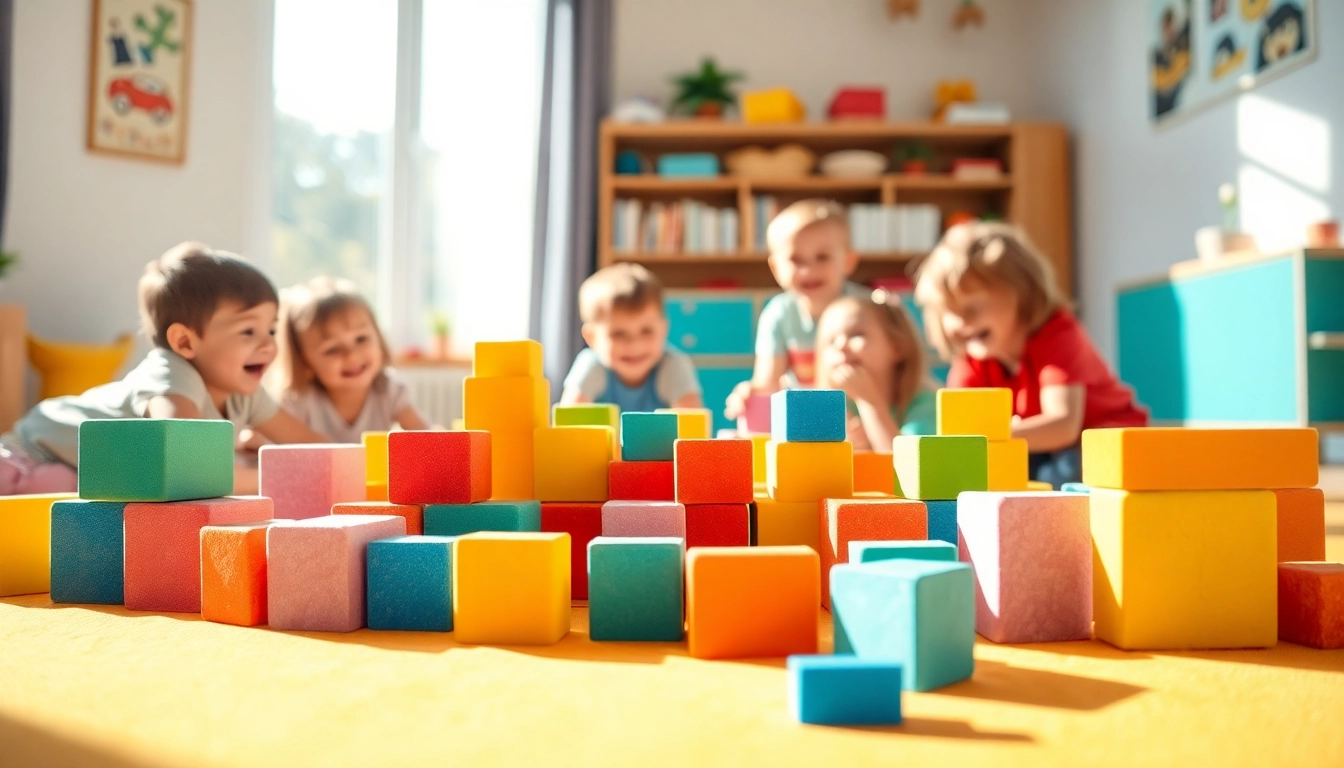
Soft foam blocks can serve as an effective educational tool. They offer endless opportunities for children to learn fundamental concepts such as counting, sorting, and spatial awareness through play. For instance, parents and educators can utilize blocks to teach numbers by having children stack blocks while counting each piece.
Additionally, these blocks can be used for color recognition, where kids sort blocks by color. Educators can create games that involve matching colors or forming patterns to make the learning experience dynamic, fun, and memorable.
Developing Motor Skills through Block Play
A significant benefit of playing with foam blocks is that it enhances children's fine and gross motor skills. Activities such as stacking, balancing, and throwing foam blocks help develop hand-eye coordination and grip strength. As children manipulate the blocks, they learn to control their movements, which is essential for tasks later in life, such as writing or using utensils.
Encourage children to build various structures that require different movements, such as reaching for higher blocks or bending down to pick up others. These variations not only challenge their motor skills but also keep them physically engaged and active.
Incorporating STEM Concepts in Building Activities
Integrating STEM (Science, Technology, Engineering, Mathematics) concepts is a highly effective way to broaden the educational experience through foam blocks. For example, while constructing their projects, children can engage in discussions about gravity, balance, and symmetry.
You might pose questions such as, "What makes your tower stand?" or "How can we make this structure stronger?" Such inquiries evoke critical thinking and problem-solving skills in young minds. Additionally, themes related to measurement can be introduced by comparing the heights and widths of different structures the children create.
FAQs About Soft Foam Building Blocks
Are soft foam blocks safe for toddlers?
Yes, soft foam blocks are safe for toddlers as they're made of non-toxic materials and are soft enough to prevent injury.
How do I clean foam building blocks?
Wipe them with a damp cloth and mild soap. Ensure they dry completely to avoid mold.
What age group are soft foam building blocks suitable for?
Soft foam building blocks are ideal for children aged 1 and older, fostering creativity and motor skills.
Can soft foam blocks be used outdoors?
While they can be used outdoors, ensure they're kept dry and stored properly to prolong their lifespan.
How can I enhance play with foam blocks?
Add props like toy figures or vehicles to encourage imaginative scenarios and complex structures!